


Manufacturers worldwide are navigating the complex landscape of integrating Artificial Intelligence (AI) into their operations. An industry expert indicates that the most significant hurdle for these companies is not the AI technology itself, but rather the crucial task of preparing their existing systems for its arrival. This foundational readiness determines the ultimate success of AI initiatives within the sector.
The Foundational Challenge of System Preparation
Adopting AI requires more than simply installing new software. Experts emphasize that manufacturers must first ensure their underlying technological infrastructure can effectively support AI applications. This preparation involves assessing and often upgrading legacy systems. It also includes establishing robust data pipelines and ensuring data quality across the entire operational landscape. Without this essential groundwork, AI tools cannot perform optimally.
Manufacturers integrating AI primarily struggle with preparing existing systems, not the technology itself. Success requires adapting physical environments, upgrading infrastructure, and streamlining workflows. This foundational readiness is crucial for optimal AI performance, unlocking benefits like predictive maintenance and optimized production, ultimately transforming manufacturing capabilities.
Adapting Physical Environments for AI
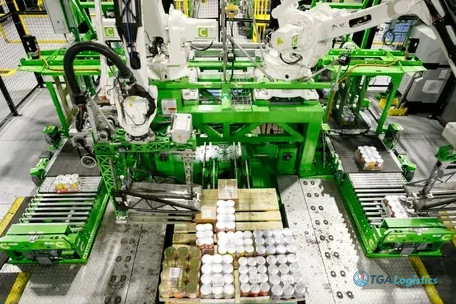
A key aspect of this readiness involves adapting physical environments. Companies that successfully modify their factory floors and equipment are best positioned to leverage AI’s capabilities. This adaptation can include integrating new sensors and ensuring robust connectivity for real-time data collection. Making machines “AI-ready” creates the necessary bridge between digital intelligence and tangible production processes.
Streamlining Operational Workflows
Beyond physical adjustments, manufacturers must also streamline their operational workflows. AI thrives on efficient, predictable processes. Re-engineering workflows to better accommodate data input, analysis, and AI-driven decision-making becomes paramount. Companies that proactively refine their operational sequences can integrate AI more seamlessly, unlocking greater efficiencies and insights.
Realizing AI’s Full Potential
Ultimately, the ability to prepare systems, adapt physical environments, and streamline workflows dictates the extent of AI benefits. Manufacturers who commit to these preparatory steps are poised to achieve substantial gains. These advantages range from predictive maintenance and optimized production schedules to enhanced quality control and reduced operational costs. The initial investment in readiness yields significant long-term returns, transforming manufacturing capabilities.