


U.S. manufacturing activity demonstrated robust growth, expanding for the second consecutive month. This positive momentum largely stems from a significant increase in new orders and a healthy growth in existing backlogs. These indicators signal sustained demand within the sector, reflecting an underlying strength in production.
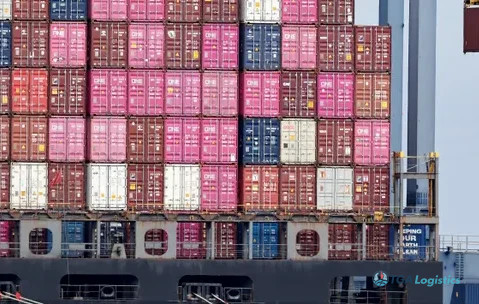
Inflationary Pressures Return
Despite the sector’s expansion, mounting inflationary pressures now overshadow this progress. Prices within the manufacturing sector have surged to their highest level since 2022. This development closely links to the escalating conflict in the Middle East, impacting global supply chains and commodity markets.
U.S. manufacturing expanded for a second month, driven by strong new orders and backlogs, signaling resilient demand. Yet, this growth is overshadowed by surging inflationary pressures, reaching 2022 highs, fueled by Mideast conflict, tariffs, and rising oil prices, posing significant external cost challenges.
External Economic Headwinds
Additional factors contribute to the current economic uncertainty. Ongoing impacts from tariffs continue to inject volatility into the manufacturing landscape. Concurrently, persistently rising global oil prices further complicate cost structures for businesses. These combined pressures create a challenging environment for manufacturers.
Sector Performance Overview
The latest Purchasing Managers’ Index (PMI) report provides these crucial insights. It highlights a manufacturing sector that, while expanding, faces significant external challenges. New orders and backlogs remain strong, indicating a resilient demand base. Businesses are managing increased production volumes effectively.
The report paints a picture of a dynamic U.S. manufacturing sector. It navigates both domestic growth and complex international headwinds. The interplay of strong internal demand and external cost pressures will likely define its trajectory in the coming months.