


Title: Intel Confronts Prolonged Production Challenges
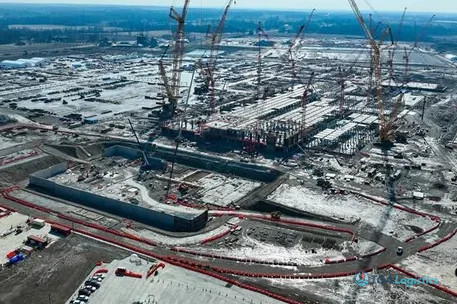
Intel currently faces significant manufacturing capacity constraints. Industry experts predict this challenge will take several years to fully resolve. The technology giant has redirected some of its chip production to meet surging server demand. However, this strategic shift has led analysts to suggest Intel is missing crucial opportunities in emerging AI-driven markets.
Manufacturing Headwinds Persist
The core issue stems from Intel’s ongoing capacity problems within its chip fabrication facilities. These constraints impact the company’s ability to produce chips at the volume needed across its diverse product lines. Industry projections indicate overcoming these deep-seated manufacturing hurdles could extend over a multi-year period. This presents a substantial long-term challenge for the firm.
Strategic Production Reallocation
Intel faces prolonged manufacturing capacity constraints, expected to take years to resolve. Its strategic shift to prioritize server chip production, while addressing immediate demand, is causing the company to miss crucial opportunities in rapidly emerging AI-driven markets, impacting future growth and competitive positioning.
Prioritizing Server Market Demand
In response to immediate market pressures, Intel made a strategic decision to reallocate a portion of its existing chip production. This redirection specifically targets the robust and increasing demand for server chips. The move aims to capitalize on a key segment of the computing market where Intel holds a significant presence.
Missing Emerging AI Opportunities
While addressing server demand, this production shift carries a notable consequence. Analysts observe Intel is inadvertently sidestepping emerging opportunities within AI-driven trends. The artificial intelligence sector expands rapidly. However, the company’s current focus means it may not fully participate. It also risks missing out on the full benefit of this significant technological evolution.
The balancing act between current market needs and future growth areas presents a complex dilemma. Resolving underlying manufacturing capacity issues remains critical for Intel. This will allow it to effectively compete across all high-growth technology segments, including the burgeoning field of artificial intelligence.