


Title: Global Logistics Face Disruption Amid Iran Conflict
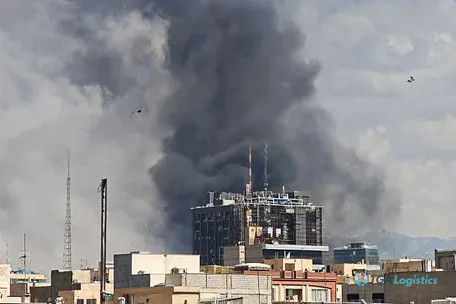
Recent escalations in the conflict involving Iran are significantly impacting global logistics. Ocean and air cargo networks now face considerable disruption. This situation has prompted major shipping and air cargo carriers to adjust their operations. They have enacted temporary suspensions of services and introduced new surcharges.
Carrier Responses to Heightened Tensions
The decision to implement these operational changes directly follows recent military actions. Strikes by the United States and Israel on Iran precipitated these adjustments. Carriers prioritize safety and risk mitigation in such volatile environments. This often leads to immediate responses from global transport providers.
Escalating conflict involving Iran is significantly disrupting global logistics, affecting ocean and air cargo networks. Carriers are implementing service suspensions and surcharges due to heightened tensions, leading to supply chain volatility. Businesses face potential delays and increased costs, underscoring the fragility of global trade routes.
Service Suspensions and Surcharges
Shipping companies have temporarily halted routes in certain areas. Air cargo operators similarly adjusted their flight paths and schedules. Additionally, new surcharges aim to cover increased operational costs and insurance premiums. These financial adjustments ultimately impact the cost of goods moving through affected regions.
Anticipated Impact on Global Supply Chains
Industry analysts now anticipate significant volatility across global supply chains. The combination of temporary halts and added costs creates a complex challenge. Businesses reliant on timely and cost-effective shipping face potential delays and increased expenses. This scenario highlights the fragility of interconnected global trade routes.
Potential for Market Instability
Disruptions in key shipping lanes and air corridors can lead to extended transit times for goods. Furthermore, increased operational expenses for carriers often translate into higher prices for consumers. This complex scenario underscores the far-reaching economic implications of geopolitical events. Manufacturers and retailers alike must prepare for potential ripple effects across their inventories and delivery schedules.