


Title: Geopolitical Tensions Strain Air Freight Outlook
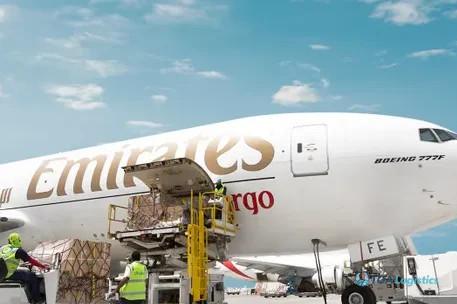
The U.S. air freight market currently faces significant vulnerability, an assessment articulated by Chief Airfreight Officer Niall van de Wouw. This precarious situation stems from the critical importance of specific Middle East air corridors. These routes are essential for transporting vital pharmaceuticals and various retail goods.
Critical Middle East Corridors
Key Middle East air corridors serve as indispensable arteries for global trade. They facilitate the efficient movement of sensitive cargo, including life-saving medications. Retail volumes also heavily rely on these established pathways for timely delivery. Disruption in these areas directly impacts the supply chains of many industries.
Iran Conflict‘s Impact
Ongoing geopolitical tensions, particularly the Iran conflict, are now directly challenging the projected global air cargo outlook. This instability specifically tests forecasts extending through 2026. The conflict introduces an element of unpredictability into what was previously a more stable operational environment.
The U.S. air freight market faces significant vulnerability due to critical Middle East air corridors essential for pharmaceuticals and retail. Geopolitical tensions, particularly the Iran conflict, threaten the global air cargo outlook through 2026, causing forecasting challenges, rerouting, and increased costs for the industry.
Forecasting Challenges
The conflict creates significant forecasting challenges for the air freight industry. Operators must now account for potential rerouting, increased fuel costs, and longer transit times. Such factors complicate strategic planning and may lead to higher shipping expenses. These uncertainties directly influence future market projections.
The vulnerability highlighted by Van de Wouw underscores the interconnectedness of global logistics. The ongoing strife in the Middle East presents a tangible threat to the stability and efficiency of international air cargo operations. Industry stakeholders will closely monitor developments as they navigate this evolving landscape.