


Title: US-Indonesia Trade Pact Faces Legal Hurdle
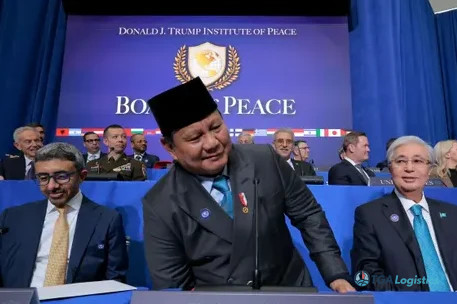
The United States and Indonesia have officially formalized a reciprocal trade agreement. This new pact aims to establish a consistent 19% tariff on goods imported from Indonesia, solidifying an important aspect of their economic relationship.
Terms of the New Trade Agreement
This recently formalized agreement between the United States and Indonesia marks a significant step in their bilateral trade relations. The reciprocal pact specifically targets goods originating from Indonesia, setting a fixed 19% tariff. This measure intends to provide a clear framework for trade, offering predictability for businesses and industries involved in importing Indonesian products.
The US and Indonesia formalized a trade agreement setting a 19% tariff on Indonesian goods. However, a recent Supreme Court ruling has cast significant doubt on its validity and enforceability, impacting this and similar trade pacts with other nations. This creates broad uncertainty for international commerce.
Supreme Court Ruling Casts Doubt
Despite the formalization, the future of this specific trade agreement, alongside other similar deals, has been called into question. A Supreme Court ruling issued on Friday has introduced significant uncertainty. This judicial decision directly impacts the validity and enforceability of such international trade arrangements.
The ruling’s implications extend beyond the US-Indonesia pact. It raises critical questions about the legal standing of comparable trade agreements that the United States holds with other nations. This broad impact creates a complex legal landscape for international commerce.
Uncertainty for International Trade
The Supreme Court’s decision introduces a period of review and potential re-evaluation for existing and future trade policies. Stakeholders across various industries are now monitoring how this ruling will ultimately shape the framework for reciprocal agreements. Its long-term effects on global trade relations remain to be seen.