


The United States, under the Trump administration, has finalized a significant trade agreement with Bangladesh. This deal aims to reduce tariffs on imports from the South Asian nation. The agreement marks a notable step in bilateral economic relations.
Key Provisions of the Deal
The agreement outlines a plan to cut existing levies on Bangladeshi goods to 19 percent. This adjustment represents a considerable change in the trade landscape between the two countries. Officials expect the reduced tariff rate to streamline import processes.
The Trump administration finalized a trade agreement with Bangladesh to significantly reduce tariffs on imports, initially cutting them to 19%. The deal also considers full tariff elimination for key sectors like textiles and apparel, aiming to boost Bangladesh's exports and strengthen bilateral economic relations between the two nations.
Consideration for Full Tariff Elimination
Beyond the initial reduction, the United States will also consider fully removing tariffs for specific product categories. This aspect of the agreement holds particular importance for key Bangladeshi exports. Such a move could significantly boost certain sectors.
Focus on Textile and Apparel Sectors
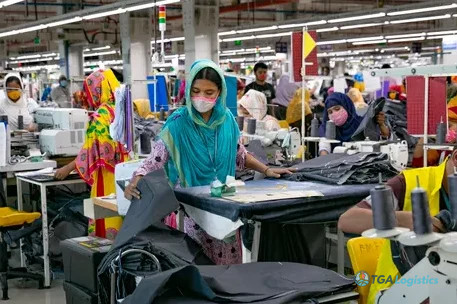
Textiles and apparel stand out among the goods targeted for potential complete tariff removal. These industries form a significant part of Bangladesh’s export economy. The proposed changes could substantially impact their global competitiveness. This focus highlights the economic importance of these sectors.
Broader Trade Implications
The finalized agreement reflects ongoing efforts by the Trump administration to reshape international trade relationships. For Bangladesh, this deal presents an opportunity to enhance its economic ties with the United States. It signifies a strategic move to foster stronger bilateral trade. Both nations anticipate positive economic outcomes.