


The United States has successfully generated an additional one billion dollars in customs duty revenue. This significant increase follows the termination of the ‘de minimis’ exemption, a policy that previously allowed low-value imported goods to enter the country without incurring import taxes.
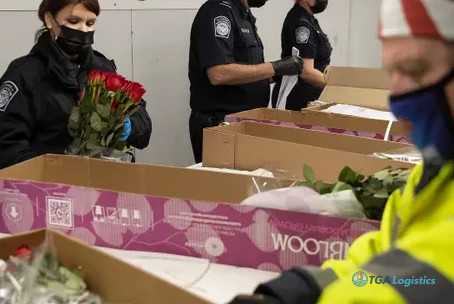
In a related development, the cessation of this exemption has also led to a dramatic 82% surge in the seizure of inexpensive items. These goods were confiscated due to being classified as unsafe or noncompliant with U.S. standards, according to official figures provided by U.S. Customs and Border Protection (CBP).
Ending the De Minimis Rule
The ‘de minimis’ exemption permitted goods valued under a certain threshold to bypass customs duties and formal entry requirements. Its termination marked a significant shift in U.S. import policy. This change aimed to level the playing field for domestic businesses and ensure greater oversight of incoming products.
Previously, countless low-cost items, often purchased online from foreign sellers, entered the country without scrutiny. The policy reversal now subjects these goods to the same customs procedures as higher-value imports.
Revenue Impact
This policy adjustment directly resulted in the collection of an additional $1 billion in customs duty revenue. The increased revenue demonstrates the substantial volume of previously exempted goods now subject to taxation. This financial boost strengthens federal coffers.
The figure highlights the immediate fiscal consequences of stricter import regulations. It underscores the financial scale of goods previously bypassing duties under the exemption.
Surge in Seizures
Beyond revenue, the policy change prompted an 82% increase in the seizure of low-cost goods. Customs officials now inspect a broader range of imports. This intensified scrutiny has uncovered a significant number of problematic items.
The dramatic rise in confiscations signals a more vigilant approach to goods entering the domestic market. It reflects a proactive stance against potentially harmful or substandard products.
The termination of the U.S. 'de minimis' exemption, which previously allowed low-value imports to bypass duties, has generated an additional $1 billion in customs revenue. This policy change also led to an 82% increase in the seizure of inexpensive goods deemed unsafe or noncompliant with U.S. standards, according to CBP.
Reasons for Confiscation
Authorities seized these goods primarily because they were deemed unsafe or noncompliant with U.S. regulations. This includes items failing to meet safety standards for toys, electronics, or personal care products. It also covers goods violating intellectual property laws or lacking proper labeling.
These seizures protect consumers from hazardous products and maintain the integrity of U.S. market standards. Ensuring compliance is a key aspect of border security and trade enforcement.
CBP’s Enforcement Efforts
U.S. Customs and Border Protection provided all data regarding both the revenue increase and the surge in seizures. CBP is the federal agency responsible for regulating and facilitating international trade. Their enforcement actions directly implement the new policy.
The agency’s consistent monitoring and interdiction efforts are central to both revenue collection and consumer protection. Their reports offer clear insight into the immediate effects of the de minimis exemption‘s termination.