


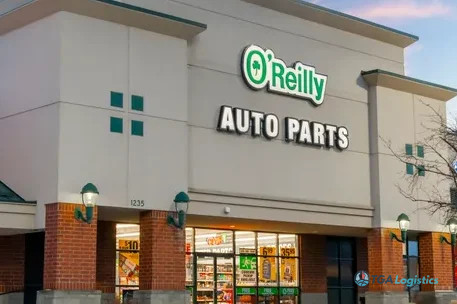
O’Reilly Auto Parts, a prominent retailer in the automotive sector, is strategically expanding its supplier network. This initiative directly supports the company’s increased emphasis on its private label, or store-branded, product lines. The move aims to fortify O’Reilly’s operational resilience amid broader industry pressures.
Strategic Shift Towards Private Labels
The core of O’Reilly’s new strategy lies in prioritizing its store-branded portfolio. This focus allows the company greater oversight and influence across its product offerings. By developing and promoting its own labels, O’Reilly seeks to carve out a distinct market position and enhance customer loyalty.
O'Reilly Auto Parts is expanding its supplier network to strengthen its private label product lines. This strategy enhances product control, diversifies sourcing, and improves operational resilience. By prioritizing store-branded offerings, O'Reilly aims to mitigate industry supply constraints and ensure consistent product availability for customers.
Improving Sourcing and Product Control
Expanding the supplier base offers direct benefits for O’Reilly’s sourcing capabilities. The company can diversify its procurement channels, reducing reliance on any single vendor. This diversification is crucial for improving product availability and maintaining consistent quality standards across its private label offerings. Ultimately, O’Reilly gains enhanced control over its inventory and product specifications.
Responding to Industry Supply Constraints
This strategic pivot comes as the automotive parts industry faces emerging supply constraints. Global disruptions and fluctuating demand have highlighted vulnerabilities in traditional supply chains. O’Reilly’s proactive steps aim to mitigate these risks, ensuring a more stable and predictable flow of products to its stores and customers.
By strengthening its private label operations, O’Reilly positions itself to better navigate these external challenges. The ability to manage its own product lines from sourcing to shelf provides a competitive advantage. This approach helps the retailer maintain stock levels and meet consumer demand even when external factors strain the broader market.