


The Iran conflict significantly impacts the global plastic packaging industry. Suppliers express serious concerns, reporting widespread supply disruptions and notable price increases. This instability affects manufacturers worldwide. It creates a challenging environment for production and distribution.
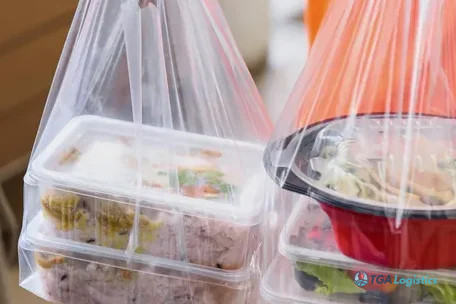
Escalating Market Instability
The conflict directly impedes global supply chains. Essential plastic packaging materials face delays and reduced availability. This creates significant operational hurdles for companies reliant on these components.
Manufacturers across the sector struggle to maintain consistent production schedules. Ripple effects extend through various industries, from food and beverage to pharmaceuticals. All depend on reliable packaging solutions.
The Iran conflict severely disrupts the global plastic packaging industry, causing supply shortages and price increases. This instability creates major production challenges for manufacturers, leading to higher consumer costs. Market normalization is not anticipated until 2027, indicating a prolonged crisis.
Rising Costs for Businesses and Consumers
These severe disruptions quickly translate into higher procurement and operational costs. Suppliers must pass on increased expenses, leading to substantial price hikes for plastic packaging. Consumers will likely see these elevated costs reflected in countless packaged goods.
A Prolonged Path to Normalization
Industry experts offer a cautious outlook for market recovery. They emphasize that stable conditions are not anticipated soon. Analysts project market normalization will not occur until 2027 at the earliest. This extended timeline underscores the profound impact of the geopolitical situation. It highlights lasting challenges facing the global packaging sector.