


Title: US and China Establish New Bilateral Trade Board
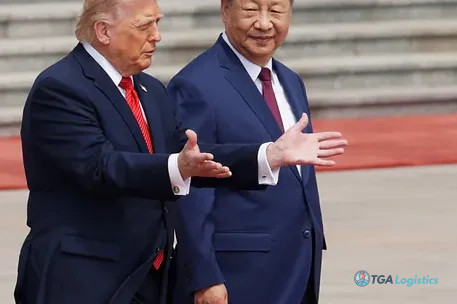
The United States and China are moving forward with plans to establish a new trade board. This body will oversee and manage bilateral trade specifically concerning certain categories of goods exchanged between the two nations. The initiative also highlights both countries’ commitments to addressing challenges within the agricultural sector, particularly aiming to resolve existing non-tariff barriers.
A New Mechanism for Bilateral Trade
The formation of this dedicated trade board signifies a structured approach to managing complex commercial ties between the United States and China. This joint endeavor aims to provide a consistent platform for dialogue and resolution regarding trade flows. Establishing such a body can help streamline interactions and potentially mitigate friction within specific commercial sectors.
The US and China are establishing a new bilateral trade board to manage specific goods and address commercial challenges. A key focus is resolving non-tariff barriers in agriculture, aiming to streamline trade and improve market access between the two nations.
Focus on Specific Goods
The board’s mandate will center on managing bilateral trade for “certain goods.” This targeted focus suggests an intention to address particular market dynamics or regulatory issues affecting specific industries. A defined scope allows for more concentrated efforts to ensure smoother exchanges and address any emerging discrepancies in these designated areas.
Commitment to Agricultural Trade
Beyond the general oversight of goods, both the United States and China have underscored their shared commitments concerning agriculture. This emphasis points to the critical role agricultural products play in their trade relationship. The focus indicates a mutual recognition of the sector’s importance for economic stability and food security.
Resolving Non-Tariff Barriers
A primary objective for the two countries involves confronting and resolving non-tariff barriers impacting agricultural trade. These barriers often include quotas, import licensing requirements, technical regulations, and sanitary standards, which can impede the free flow of goods. Addressing these obstacles could facilitate increased market access and reduce costs for agricultural producers and consumers alike.
The establishment of this trade board and the joint commitment to agricultural issues represent a concerted effort to manage and potentially improve specific aspects of US-China trade relations. This structured engagement provides a framework for ongoing discussions and problem-solving in key economic areas.