


Title: Industry Navigates Economic Shifts and Geopolitical Pressures
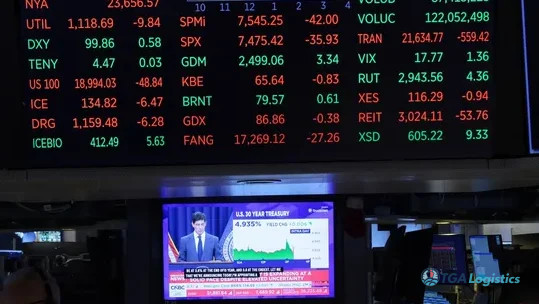
Manufacturers currently operate within a complex global landscape. This environment is marked by significant economic uncertainty and persistent geopolitical tensions. Companies actively balance operational costs and manage inventory levels while closely watching potential shifts in Federal Reserve interest rate policy. These intricate dynamics are further complicated by ongoing ripple effects from the Middle East. Despite these substantial challenges, businesses are reportedly becoming more adept at navigating this multifaceted complexity.
Monitoring Interest Rate Dynamics
The economic landscape remains significantly shaped by an uncertain interest rate environment. Companies are keenly observing the Federal Reserve’s stance on monetary policy. There is a widespread expectation that the Fed might adjust its interest rate posture later in the year. Such changes directly influence borrowing costs, consumer spending, and investment decisions across various sectors.
Manufacturers operate in a complex global landscape, grappling with economic uncertainty, geopolitical tensions, and interest rate dynamics. They are strategically balancing costs and inventory. Despite these significant challenges, the industry is demonstrating increasing adaptability and resilience in navigating this multifaceted environment.
Addressing Geopolitical Influences
Beyond economic indicators, geopolitical factors also exert considerable pressure. Ripple effects stemming from the Middle East continue to impact global trade and supply chains. These influences can lead to increased commodity prices, shipping disruptions, and overall market volatility. Manufacturers must factor these unpredictable elements into their strategic planning.
Strategic Balancing of Costs and Inventory
In response to these pressures, manufacturers prioritize efficient cost management. They also focus on optimizing inventory levels. This involves a delicate act: avoiding overstocking, which ties up capital, and preventing understocking, which can disrupt production and sales. Strategic adjustments ensure operational agility in a fluctuating market.
Industry Adaptation and Resilience
Despite the inherent challenges, a notable trend emerges within the manufacturing sector. Companies are growing increasingly comfortable with this complex operating environment. They have developed robust strategies and flexible frameworks. This adaptability allows them to respond effectively to both economic shifts and geopolitical developments, demonstrating significant resilience.