


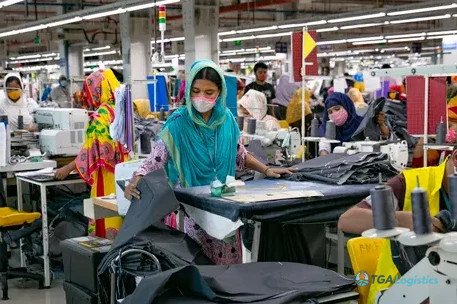
Nonprofit organizations Clean Clothes Campaign and Public Eye have identified a troubling trend within the global apparel sector. They report that despite widespread inflation, the cost of T-shirts, a basic clothing item, remains remarkably low. This persistent downward pressure on pricing carries significant negative consequences. These outcomes directly affect the workers manufacturing these garments, specifically deteriorating their wages and overall safety standards.
The Paradox of Persistent Low Pricing
Global economic conditions have seen inflation rise across many sectors. However, fundamental apparel items like T-shirts have largely resisted this trend. This disconnect creates a difficult situation for the supply chain. Manufacturers face pressure to keep costs down, often at labor’s expense.
Direct Impact on Worker Livelihoods
The reduced pricing directly translates into diminished wages for garment workers. Many struggle to earn a living wage, even with increased production demands. This financial strain affects their ability to meet basic needs and support families.
Nonprofits Clean Clothes Campaign and Public Eye reveal that despite inflation, persistently low T-shirt prices are severely harming garment workers globally. This trend directly deteriorates their wages and compromises factory safety standards, underscoring the urgent need for ethical industry practices and transparency.
Safety Standards Under Threat
Beyond wages, worker safety conditions also suffer. Factories operating on razor-thin margins may cut corners on essential safety protocols. This leads to hazardous working environments, increasing the risk of accidents and injuries. Cheaper production costs often compromise worker well-being.
Nonprofits Advocate for Change
Clean Clothes Campaign and Public Eye highlight these issues to draw attention to the human cost of low apparel prices. Their findings underscore the urgent need for greater transparency and ethical practices within the industry. Brands, consumers, and governments must collectively ensure fair treatment for garment workers worldwide.