


Title: Major Logistics Firms Boost Automation with Robotic Technology
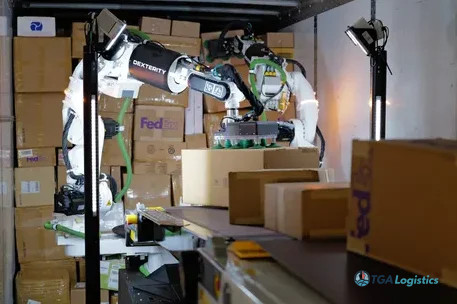
The logistics sector is rapidly embracing automation, with key players like FedEx and Amazon significantly expanding their robotic capabilities. FedEx has already integrated advanced robotic trailer loading systems at a crucial Maryland facility. Meanwhile, Amazon plans to double its current fleet of robotic arms this year, underscoring a widespread industry commitment to automated solutions.
FedEx Implements Advanced Loading Systems
FedEx recently deployed sophisticated robotic trailer loading systems at one of its hubs in Maryland. These systems streamline the process of moving packages, enhancing operational efficiency. The integration marks a strategic step in the company’s efforts to modernize its vast logistics network. This deployment aims to improve speed and accuracy in package handling.
Major logistics firms like FedEx and Amazon are rapidly expanding their use of robotic technology to boost automation. FedEx has deployed advanced trailer loading systems, while Amazon plans to double its robotic arm fleet. This industry-wide push aims to enhance efficiency, meet demand, and optimize supply chain operations.
Amazon Doubles Down on Robotic Arms
Amazon is making an aggressive move to bolster its automated workforce. The e-commerce giant intends to double its fleet of robotic arms throughout the current year. This expansion will significantly increase automation across its fulfillment centers. The company consistently invests in robotics to manage its high volume of orders.
Industry-Wide Drive Towards Automation
Both FedEx and Amazon’s actions highlight a broader trend within the logistics industry. Companies are actively pursuing increased automation to meet growing demand and overcome labor challenges. Robotics offer solutions for tasks requiring precision and repetitive motion. This shift reshapes traditional supply chain operations.
The Impact of Automation on Logistics
The expanded use of robotic technology promises several benefits for the logistics sector. It can lead to faster processing times and reduced operational costs. Automation also helps improve workplace safety by handling strenuous or hazardous tasks. This technological evolution aims to optimize every stage of the logistics chain.