


Supply chains frequently navigate significant challenges during periods of heightened demand. These surges often lead to costly operational delays, impacting efficiency and profitability. In such dynamic environments, contract workers emerge as a crucial resource. They provide a strategic advantage, enabling organizations to efficiently manage demand spikes and maintain smooth operations.
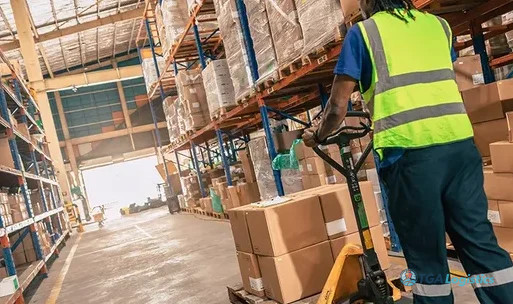
Navigating Peak Demand
Businesses routinely face unpredictable fluctuations in consumer demand. These periods, often seasonal or event-driven, place immense pressure on supply chain infrastructure. They also strain existing personnel. Failing to meet increased demand can result in missed opportunities, customer dissatisfaction, and substantial financial setbacks. Proactive strategies become essential for sustained success.
The Strategic Advantage of Contract Talent
Contract workers offer a distinct strategic advantage for supply chains. Their flexibility allows companies to scale operations up or down quickly. They respond directly to market needs without the long-term commitments of permanent staff. This agility is particularly valuable when managing sudden increases in workload or short-term projects.
Supply chains frequently face costly delays during demand surges. Contract workers offer a strategic solution, providing crucial flexibility to efficiently manage these spikes. By enabling companies to quickly scale operations up or down, contract talent helps prevent bottlenecks, optimize for peak periods, and ensure smooth, profitable operations without long-term commitments.
Optimizing for Seasonal Spikes
During peak seasons or unexpected demand surges, contract workers prove invaluable. Companies can deploy these skilled individuals precisely when and where they need them most. This bolsters their workforce during critical periods. This targeted approach prevents bottlenecks and ensures the continuous flow of goods and services.
Preventing Costly Delays
The deployment of a flexible contract workforce directly helps supply chains avoid costly operational delays. By quickly adding capacity, businesses can process orders faster, manage inventory more effectively, and ensure timely deliveries. This proactive staffing model mitigates the risks associated with understaffing during busy times. It also safeguards operational efficiency and financial performance.