


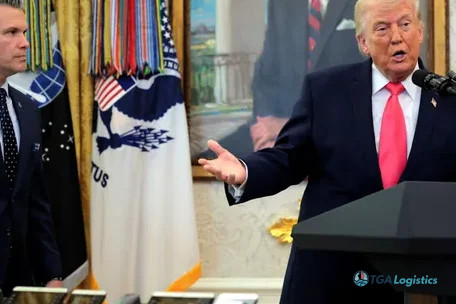
President Trump has imposed significant new tariffs, specifically a 100% duty, on certain drones and their components. These measures, targeting Unmanned Aircraft Systems (UAS), align with the president’s broader executive orders. The administration aims to reduce U.S. supply chain reliance on foreign nations, particularly China. China currently dominates the global drone market, which experts project to reach $15.6 billion by 2025.
The New Duty Rates
The recently enacted tariffs implement a substantial 100% duty on specific drone categories and their associated parts. This move directly impacts the import cost of Unmanned Aircraft Systems into the United States. Businesses importing these goods will now face significantly higher expenses.
Strategic Objectives Behind the Move
These new duty rates directly reflect the president’s ongoing executive orders. A core objective involves mitigating the nation’s reliance on external supply chains. The administration seeks to bolster domestic production and ensure greater independence in critical technological sectors.
President Trump imposed a 100% tariff on drones and components to reduce U.S. supply chain reliance on foreign nations, particularly China. This move aims to bolster domestic production and ensure greater independence in critical technological sectors, enhancing national security and economic self-sufficiency.
Reducing Foreign Supply Chain Dependence
The primary driver for these tariffs centers on reducing U.S. vulnerability to foreign suppliers. Policy makers aim to secure vital technological components. This strategy helps protect national interests and economic stability.
Targeting Global Market Leaders
China stands out as a key nation in this policy shift. The country maintains a world-leading position within the drone market. This dominance has prompted U.S. officials to address concerns about supply chain concentration.
China’s Dominant Drone Market
China’s drone industry holds significant global influence. Projections estimate this market will reach a value of $15.6 billion by 2025. This substantial market presence underscores the strategic importance of the tariff actions.
The tariffs represent a decisive step in recalibrating U.S. trade relations. They emphasize a commitment to national security and economic self-sufficiency. This policy aims to reshape the landscape of drone manufacturing and procurement.