


Major shipping companies are implementing new surcharges, directly responding to ongoing draft restrictions imposed by the Panama Canal authority. These restrictions limit the maximum depth vessels can have, significantly affecting their cargo capacity. The adjustments reflect a critical operational challenge for one of the world’s most vital maritime passages.
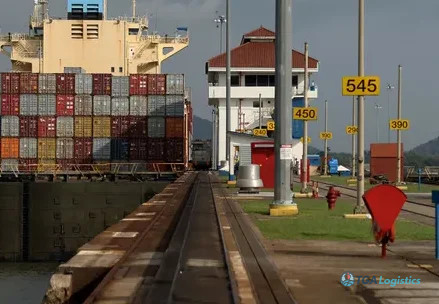
Rising Surcharges Affect Global Routes
Leading carriers such as MSC and CMA CGM are among those raising fees. These increased surcharges aim to offset the financial impact of reduced cargo loads and potential operational adjustments. The shipping lines often pass these additional costs onto their customers, ultimately affecting supply chains.
Major shipping companies are implementing new surcharges due to Panama Canal draft restrictions, which limit vessel cargo capacity. These adjustments reflect a critical operational challenge for a vital maritime passage, ultimately impacting global supply chains and increasing costs for businesses relying on the Canal.
Operational Adjustments by Carriers
The decision to raise fees comes as carriers navigate complex logistics. Reduced draft means ships cannot carry their full capacity, leading to fewer goods transported per voyage. This necessitates either rerouting, which incurs higher fuel and time costs, or imposing surcharges to maintain profitability on affected routes.
Panama Canal’s Ongoing Water Management
The Panama Canal, a critical global waterway, continues to actively monitor its water levels. The Canal authority adjusts ship draft restrictions accordingly, reflecting prevailing environmental conditions. These continuous adjustments ensure safe passage for vessels while managing the available water resources.
Impact on Vessel Capacity
Draft restrictions directly dictate how deeply a ship can sit in the water. A lower maximum draft forces vessels to carry less cargo, reducing their economic efficiency. For large container ships, even small reductions in draft can translate to thousands of fewer containers transported.
Broader Implications for International Trade
The ongoing situation at the Panama Canal highlights the vulnerability of global supply chains to environmental factors. As a key artery for maritime commerce, disruptions here ripple across various industries. Businesses reliant on timely and cost-effective shipping through the Canal face increased logistical complexities and higher operational expenses.