


Title: Panama Canal Restrictions Elevate Shipping Fees
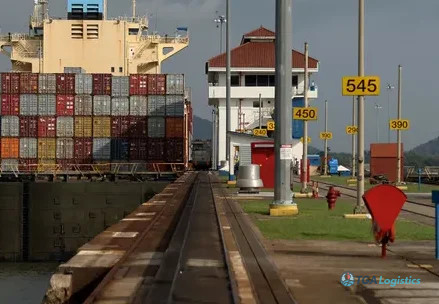
Ocean carriers are implementing increased surcharges as the Panama Canal continues to navigate operational challenges. Prominent shipping lines, including MSC and CMA CGM, are among those raising fees for cargo transiting the crucial interoceanic waterway.
These surcharges stem directly from the Panama Canal Authority’s ongoing decision to impose and adjust vessel draft restrictions. The Canal continuously monitors its water levels, necessitating these measures which directly impact vessel capacity and transit costs for global trade.
Canal Authority Implements Draft Restrictions
The Panama Canal maintains and adjusts vessel draft restrictions as a direct consequence of its continuous monitoring of water levels. This critical waterway, vital for international commerce, must ensure safe passage for ships. Fluctuating water levels directly influence the maximum depth vessels can achieve while transiting the canal.
Impact on Vessel Capacity
Draft limitations directly reduce the amount of cargo a ship can carry through the canal. Vessels must lighten their loads to meet the specified draft, or consider alternative, often longer, routes. This operational adjustment creates inefficiencies and increases the per-unit cost of transportation for goods.
Ocean Carriers Raise Surcharges
Major ocean carriers, including industry leaders MSC and CMA CGM, are now increasing surcharges for cargo. These new fees reflect the added costs and complexities introduced by the Canal’s ongoing draft limitations. Shipping lines pass these expenses onto their customers to mitigate the financial impact on their operations.
The increased surcharges directly affect global supply chains. Businesses reliant on the Panama Canal face higher shipping expenses, which can ultimately influence consumer prices. This situation underscores the delicate balance between environmental factors and economic realities in international logistics.