


Businesses today operate within an inherently dynamic global landscape. They frequently contend with unpredictable demand, fluctuating inventory levels, and constantly evolving market conditions. These persistent shifts demand a highly adaptable approach to logistics and operational strategies.
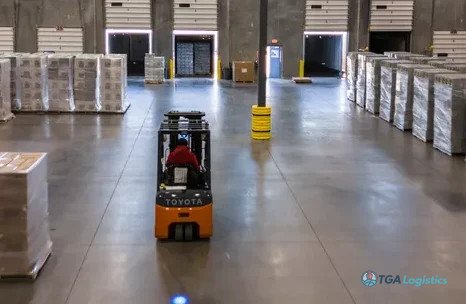
Establishing a flexible warehouse network offers a strategic solution. This approach empowers supply chains to effectively respond to these continuous changes, significantly enhancing their resilience and operational agility.
The Evolving Supply Chain Landscape
Demand patterns rarely remain static. Shifts influence them continuously, driven by consumer trends, economic factors, and unforeseen global events. Alongside this, inventory levels frequently fluctuate significantly, posing challenges for traditional, rigid warehousing models.
Market conditions also consistently evolve. New competitors emerge, regulations change, and technological advancements redefine operational norms. Supply chains therefore require robust mechanisms to adapt swiftly, maintaining efficiency and customer satisfaction.
Flexible Warehousing as a Strategic Solution
Flexible warehousing presents a powerful strategic solution for achieving this necessary adaptability. It moves beyond fixed, long-term commitments, allowing businesses to scale storage and distribution capabilities up or down as circumstances dictate. This inherent versatility makes it a crucial tool for modern logistics.
Businesses face dynamic global conditions, requiring adaptable logistics. Flexible warehousing is a strategic solution, enabling supply chains to scale storage and distribution capabilities. This enhances resilience and agility, allowing effective responses to unpredictable demand and evolving market conditions.
Enhancing Resilience and Agility
Implementing flexible warehousing enables supply chains to respond effectively to dynamic market conditions. Companies can quickly secure additional space during peak seasons or reduce commitments during slower periods, optimizing costs and resource allocation. This strategic agility builds stronger, more resilient supply chain operations, capable of navigating ongoing volatility.