


The European Union has voted to suspend its efforts to finalize a framework trade pact with the United States. This significant decision, reached on Wednesday, reflects a direct response to escalating tensions between the two major economic blocs. The move specifically follows a threat from President Trump to impose higher tariffs on goods from six of the EU‘s member countries.
EU Votes to Suspend Trade Talks
On Wednesday, EU representatives formally voted to halt progress on the proposed framework trade agreement. This suspension immediately puts a critical pact on hold, designed to streamline trade relations between the European Union and the United States. The bloc’s decision marks a notable pause in ongoing negotiations.
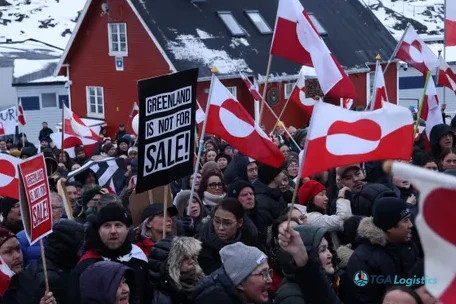
The European Union suspended a trade pact with the US, citing escalating tensions. This directly follows President Trump's threat of higher tariffs on EU goods and his Greenland campaign. The decision marks a significant setback for transatlantic cooperation, prompting a reassessment of future relations.
The Framework Pact
The framework trade pact aimed to establish foundational terms for future commerce between the two entities. It sought to create a structured approach for addressing various trade issues. Suspending these efforts indicates a significant setback for transatlantic economic cooperation.
Response to Tariff Threats
A primary catalyst for the EU’s action was President Trump’s recent threat. He announced intentions to raise tariffs on specific products originating from six EU member nations. This announcement introduced considerable uncertainty into existing trade dynamics.
Such tariff increases could impact various industries within the targeted countries. The EU views this threat as a direct challenge to trade stability and its economic interests. Consequently, the bloc opted for a strong, unified response.
Connecting to the Greenland Campaign
The EU’s decision to suspend trade talks also links directly to President Trump’s recent campaign concerning Greenland. While specific details of this connection remain part of the broader diplomatic landscape, the EU’s action clearly incorporates this factor. This suggests a multifaceted response to recent US foreign policy initiatives.
The Greenland campaign appears to have contributed to the overall atmosphere of strained relations. It added another layer of complexity to the already tense trade environment. The EU’s vote underscores its comprehensive consideration of recent US actions.
The suspension of the framework trade pact signals a period of reassessment for EU-US economic relations. Both sides now face a more uncertain path forward regarding their future trade agreements. The coming weeks will likely reveal further diplomatic maneuvers as leaders navigate this altered landscape.