


The ongoing US government shutdown is significantly impeding importers’ ability to make crucial purchase and investment decisions. This challenge arises from a critical gap in federal data, which is essential for informed trade planning.
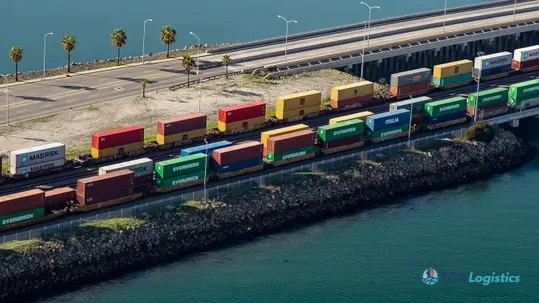
The impact is particularly acute for businesses attempting to plan orders for the upcoming Lunar New Year, a key period for international trade. This assessment was provided by Gene Seroka, Executive Director of the Port of Los Angeles.
Importers Grapple with Uncertainty
Businesses relying on international trade face mounting difficulties without access to up-to-date federal statistics. This data typically includes vital information on trade volumes, economic indicators, and consumer trends. Without these insights, companies struggle to accurately forecast demand, manage inventory levels, and make timely investment decisions for future orders.
The absence of reliable government data prevents importers from assessing market conditions with confidence. They cannot properly evaluate risks or identify opportunities. This situation forces many to delay or reconsider significant purchasing commitments, creating a ripple effect across the supply chain.
The US government shutdown severely impedes importers' crucial purchase and investment decisions, especially for Lunar New Year. Without vital federal trade data, businesses cannot accurately forecast demand or assess market risks. This uncertainty causes significant planning delays and threatens economic stability.
Essential Federal Data Goes Missing
Key federal agencies, including the Commerce Department and Customs and Border Protection, regularly compile and release trade-related information. This data forms the backbone of strategic planning for numerous industries. During a government shutdown, the collection and dissemination of such critical statistics cease or become severely limited. This creates a vacuum of information.
Importers depend on this official data for a clear picture of the economic landscape. They use it to understand trade flows, identify emerging trends, and comply with regulations. The current data freeze leaves them operating in the dark, unable to perform due diligence for their complex international transactions.
Lunar New Year Planning Disrupted
The approaching Lunar New Year presents a particularly time-sensitive challenge for importers. This period traditionally sees a surge in manufacturing and shipping activity in Asia, followed by factory closures. Importers must place their orders well in advance to ensure goods arrive on schedule and meet consumer demand.
Gene Seroka specifically highlighted the difficulties in planning for these crucial orders. Without federal data to guide their projections, businesses risk miscalculating inventory needs or missing critical shipping deadlines. This could lead to shortages, increased costs, or lost sales opportunities during a peak consumer season.
Broader Economic Ripple Effects
The uncertainty gripping the import sector carries potential broader economic consequences. Stalled purchase decisions can impact port activity, logistics companies, and retailers across the United States. A slowdown in imports might eventually affect consumer choice and pricing, as businesses navigate a less predictable supply environment.
Maintaining a stable and predictable trade environment is crucial for economic health. The current data gap, stemming from the government shutdown, undermines this stability. It poses a significant hurdle for businesses that drive a substantial portion of the nation’s economic activity.