


Tommy John, a prominent apparel brand, recently announced a significant change to its operational strategy. The company centralized its fulfillment operations, transitioning from a fragmented network of multiple external partners to a single, unified logistics provider. This strategic realignment aims to enhance efficiency and control within its supply chain.
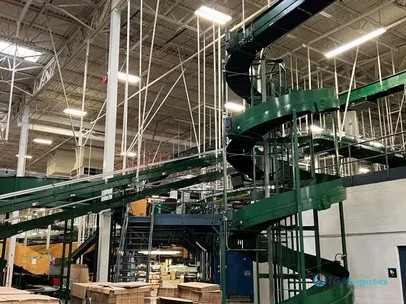
Strategic Fulfillment Consolidation
This shift represents a deliberate move to streamline Tommy John’s distribution process. Previously, the brand relied on several different fulfillment companies to manage its inventory, packing, and shipping needs. Consolidating these functions under one provider simplifies management and standardizes procedures across the entire logistics chain.
Tommy John centralized its fulfillment operations from multiple partners to a single logistics provider. This strategic move enhances supply chain efficiency, control, and visibility, streamlining distribution and improving inventory tracking. The goal is to optimize order delivery and boost customer satisfaction.
Addressing Visibility Gaps
A primary driver behind this decision was the need to resolve existing visibility gaps. According to Tommy John’s Chief Financial Officer, who shared insights with Supply Chain Dive, using multiple partners often created blind spots. These gaps hindered the company’s ability to track inventory precisely and monitor the real-time status of orders, impacting overall supply chain transparency.
Operational Benefits of Centralization
Centralizing fulfillment offers several key advantages beyond improved visibility. A single provider typically facilitates better data integration, offering a consolidated view of inventory levels and order flows. This can lead to more accurate forecasting, reduced carrying costs, and optimized warehouse management. The move also streamlines communication, minimizing potential delays and errors common with disparate systems.
Implications for Apparel Logistics
For an apparel brand like Tommy John, efficient fulfillment is crucial for customer satisfaction and brand reputation. Rapid and accurate order delivery directly impacts the customer experience. By optimizing its logistics infrastructure, Tommy John positions itself to better manage peak seasons, reduce shipping times, and respond more agilely to market demands. This strategic investment in its supply chain underscores the growing importance of seamless operations in the competitive retail landscape.