


Global packaging supply chains are currently experiencing significant upheaval, driven by a range of geopolitical factors. Trade tariffs and the specter of international conflicts, such as an Iran war, fundamentally alter the landscape for manufacturers and consumer brands. Companies report immense difficulty in fully transitioning their sourcing to domestic U.S. operations.
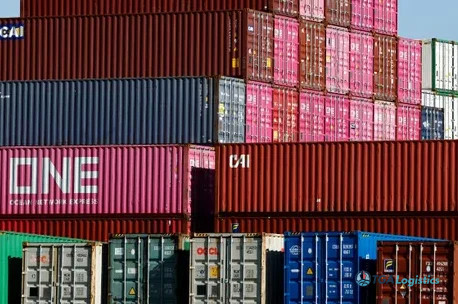
Geopolitical Pressures Intensify
The packaging industry navigates a volatile global environment where political decisions and international relations directly impact business operations. Tariffs, for instance, increase costs and complicate logistics for materials crossing borders. These economic barriers compel businesses to reassess traditional sourcing models.
Beyond economic measures, the looming threat of military conflicts introduces another layer of uncertainty. Potential disruptions to shipping routes, resource availability, and geopolitical stability weigh heavily on supply chain planners. Such scenarios demand proactive risk management and flexible operational strategies.
Challenges of Domestic Sourcing
Despite calls for localization and increased national security through domestic production, a complete pivot to U.S.-based sourcing remains an almost insurmountable challenge for many manufacturers and consumer brands. Existing global networks represent years of investment and specialized development. The complexity of these established systems, coupled with the unique materials and cost efficiencies often found internationally, makes a rapid, full-scale domestic shift impractical.
Companies face substantial hurdles, including securing sufficient domestic raw materials, retooling production facilities, and managing potentially higher labor costs. These factors underscore the intricate balance required to maintain competitive pricing and product availability while pursuing greater supply chain resilience.
Strategic Outlook for 2026
Looking ahead to 2026, Consumer Packaged Goods (CPG) companies are actively developing sophisticated strategies to enhance the resilience and efficiency of their supply chain management. These forward-thinking approaches aim to mitigate future disruptions and adapt to an evolving global landscape.
Rethinking Supply Chain Management
CPG companies are exploring diverse strategies, including diversification of suppliers across different regions, investing in advanced analytics for better risk prediction, and optimizing inventory management. The goal is to build agile supply chains capable of responding quickly to unforeseen geopolitical shifts. This strategic evolution emphasizes adaptability and foresight in procurement and logistics planning.