


The year 2026 is poised to present critical challenges and evolving trends for global supply chains, demanding strategic foresight and adaptability. Key among these are anticipated shifts in tariff policies, persistent shortages of essential supplies, and highly volatile logistics capacity. These factors are expected to rigorously test the resilience and adaptability of supply networks worldwide.
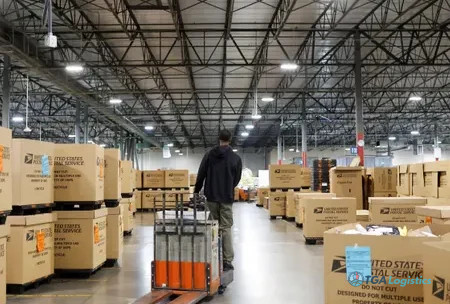
Tariff Policy Shifts Ahead
Changes in tariff policies represent a primary concern for businesses operating across international borders. Such shifts can introduce significant unpredictability into cost structures and trade relationships. Companies must closely monitor evolving regulatory landscapes to navigate potential economic impacts effectively.
Enduring Supply Shortages
The global economy continues to grapple with persistent shortages of essential supplies. This ongoing scarcity impacts various sectors, potentially disrupting production schedules and increasing procurement costs. Securing critical components and raw materials remains a significant hurdle for many organizations.
Fluctuating Logistics Capacity
Logistics capacity is projected to remain highly volatile throughout 2026. This instability affects transportation costs, delivery times, and overall operational efficiency. Businesses face considerable challenges in securing reliable shipping and distribution channels amidst this unpredictability.
Global supply chains in 2026 face critical challenges from evolving tariff policies, persistent essential supply shortages, and volatile logistics capacity. These factors will rigorously test network resilience and adaptability, requiring strategic foresight and proactive measures from businesses worldwide to maintain operational continuity and manage costs effectively.
Impact on Shipping and Delivery
Such volatility directly influences the timely movement of goods globally. Companies anticipate potential delays and increased expenses in getting products from origin to destination. Agile logistical planning becomes crucial for mitigating these operational hurdles.
Testing Global Network Resilience
These combined factors—tariff changes, supply scarcity, and logistics instability—will critically test the resilience of global supply networks. Organizations must develop robust strategies to mitigate risks and maintain operational continuity. Proactive measures and adaptable frameworks will prove essential in a dynamic and challenging environment.