


Shippers are increasingly exploring port-to-inland transit options. This strategic shift aims to significantly enhance global supply chain resilience and mitigate various risks. Inland routes now gain recognition as a more stable alternative, contrasting sharply with existing, often congested transportation corridors. Brian Harold, managing director of APM Terminals Mobile, shared this perspective with Supply Chain Dive.
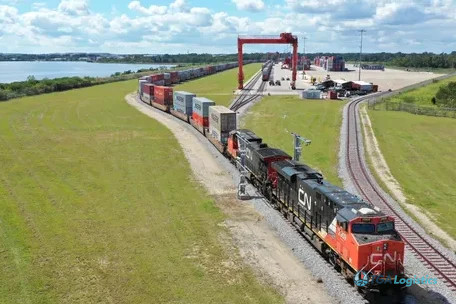
De-risking Global Supply Networks
A proactive effort to de-risk complex supply networks drives this exploration. Global trade routes frequently face disruptions, from port congestion to unforeseen events. Diversifying transit methods helps companies build more robust logistics operations. This strategy reduces reliance on single points of failure within the traditional shipping ecosystem.
Advantages of Inland Transit
Inland routes present a compelling solution for shippers. They offer a stable pathway for goods movement. This avoids bottlenecks inherent in heavily utilized coastal and international shipping lanes. Such stability translates into greater predictability for delivery schedules. It also reduces exposure to disruptions common in high-traffic areas. Brian Harold highlighted these routes as a viable counterpoint to current logistical challenges.
Shippers are increasingly exploring port-to-inland transit options to enhance global supply chain resilience and mitigate risks. These inland routes offer a more stable alternative to congested traditional corridors, providing greater predictability and reducing reliance on single points of failure for timely delivery of goods.
Stability as a Key Factor
Stability is central to inland transit’s appeal. Unlike major ocean routes or heavily trafficked ports, inland corridors often experience fewer delays and less congestion. This consistent performance provides a crucial advantage for businesses. It ensures timely delivery of goods. Such reliability becomes paramount in an interconnected global economy.
The industry continues to navigate evolving challenges. Focus on alternative transit solutions intensifies. Shippers actively seek innovative ways to ensure continuity and efficiency. Port-to-inland options become a critical area for future logistics planning.