


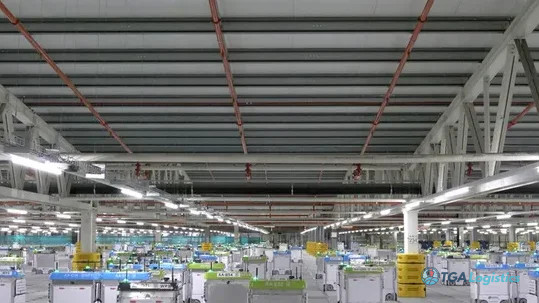
Grocery giant Kroger announced the upcoming closure of three automated fulfillment centers. These facilities are slated to cease operations in January. This move signals a significant strategic shift as Kroger pivots toward an in-store fulfillment model, aiming to boost its e-commerce profitability.
Strategic Shift in Fulfillment
The decision to close these automated warehouses marks a notable change in Kroger’s approach to online grocery services. Previously, the retailer invested in automated solutions to streamline its digital orders. Now, the company emphasizes a different operational model, focusing on existing infrastructure.
Kroger is closing three automated fulfillment centers in January, signaling a strategic shift towards an in-store fulfillment model. This pivot aims to leverage existing store infrastructure for online orders, ultimately boosting e-commerce profitability by optimizing operational costs and improving service.
Emphasizing In-Store Operations
Kroger’s new focus centers on leveraging its extensive network of physical stores for online order fulfillment. This strategy involves utilizing individual store locations to pick and pack customer orders. The company believes this method will create greater efficiencies and improve service.
Driving E-commerce Profitability
A primary goal behind this strategic realignment is enhancing the financial performance of Kroger’s e-commerce division. By shifting away from dedicated automated centers, the company seeks to optimize operational costs. This pivot aims to improve the profit margins associated with its expanding digital sales channels.
Future Outlook for Digital Growth
This strategic adjustment reflects Kroger’s ongoing efforts to adapt its business model in a competitive retail landscape. The company plans to continue its investment in digital capabilities while optimizing its fulfillment infrastructure. This revised strategy targets sustained growth and profitability in its e-commerce sector.
Comment1