


A coalition of major shippers, including Microsoft and PepsiCo, recently placed a substantial order for 2,500 Class 8 electric battery trucks. This initiative aims to accelerate heavy-duty electric vehicle adoption. By aggregating demand, participating companies seek more affordable access to sustainable transportation. This sets a precedent for environmental responsibility in logistics.
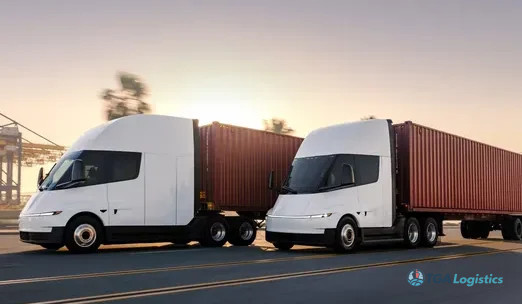
Driving Sustainable Logistics
The collective purchasing power of these companies tackles a key transition challenge: cost. Electric Class 8 trucks, while offering long-term savings, often have a higher upfront price. Pooling demand allows the coalition to negotiate better terms, making the switch financially viable. This approach leverages group influence, democratizing access to green technology.
A coalition including Microsoft and PepsiCo ordered 2,500 Class 8 electric trucks to accelerate heavy-duty EV adoption and decarbonize logistics. Aggregating demand allows them to achieve better costs, making sustainable transportation financially viable. This initiative sets a precedent, encouraging broader industry investment in zero-emission solutions and driving market growth.
The Coalition’s Strategy
Aggregating demand means multiple companies combine their vehicle needs into a single, larger order. This provides manufacturers with guaranteed volume, potentially reducing per-unit costs and speeding production. For shippers, it translates to lower acquisition costs and streamlined procurement. This collaborative model offers a practical pathway for decarbonizing operations efficiently.
Industry Impact and Future Outlook
This significant order signals a growing market for heavy-duty electric vehicles. It encourages further investment in R&D and production. The entire ecosystem, from charging infrastructure to maintenance, will likely see accelerated growth. This push could significantly hasten the overall transition from fossil fuels in commercial transportation.
The successful deployment of these 2,500 trucks will serve as a crucial case study. Observing efficiencies and benefits could inspire broader industry adoption. This initial large-scale commitment may catalyze a ripple effect. It encourages more businesses to invest in zero-emission logistics solutions.