


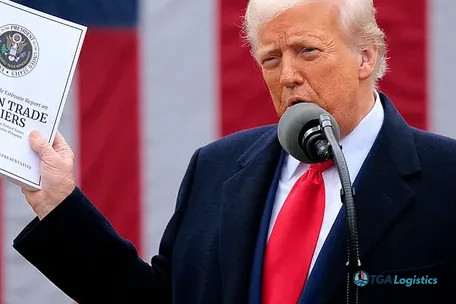
President Trump has introduced a new tariff proposal. This plan specifically aims to encourage the reshoring of generic drug production to the United States. The administration seeks to bolster domestic manufacturing capabilities for essential medicines.
Focus on Domestic Production
The central objective of this recently unveiled proposal is clear: to bring the manufacturing of generic drugs back to American soil. This initiative reflects a broader strategy to enhance national self-sufficiency in critical sectors. It addresses concerns regarding reliance on foreign supply chains for pharmaceuticals.
Mechanism for Transition
A significant aspect of the new tariff scheme involves providing pharmaceutical companies with an extended timeframe. This additional period allows manufacturers to meticulously plan and execute the relocation of their production facilities. The proposal recognizes the complexities inherent in shifting global operations.
President Trump's new tariff proposal aims to reshore generic drug production to the U.S., offering companies an extended timeframe for relocation. This initiative seeks to bolster domestic manufacturing and self-sufficiency in essential medicines, creating jobs and strengthening economic resilience by reducing reliance on foreign supply chains.
Industry Adaptation Period
Pharmaceutical firms will utilize this extended window to adjust their intricate global supply chains. The additional time intends to facilitate a smoother transition process. Companies can strategically reconfigure their logistics and manufacturing bases within the United States.
Anticipated Economic Implications
The proposal’s successful implementation could lead to various economic shifts. It aims to create new manufacturing jobs domestically. Furthermore, it seeks to strengthen the country’s overall economic resilience by securing a vital industry. The long-term impact on drug pricing and availability remains a subject for observation.