


Blank sailings, where vessels bypass scheduled port calls or entire voyages, are currently restricting the expected growth in global ocean shipping capacity. This unexpected limitation on available cargo space introduces significant operational challenges for international trade. Pete Mento, a director at Baker Tilly’s global trade management services, indicates these conditions could lead to extended lead times for shipments and a noticeable decline in overall schedule reliability.
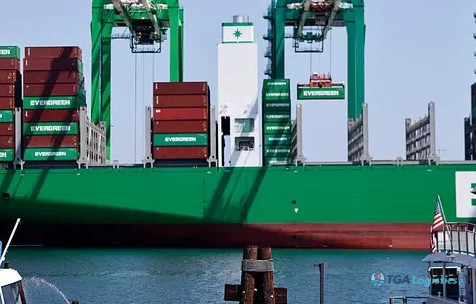
Capacity Gains Curtailed
The practice of blank sailings directly impacts the anticipated expansion of ocean shipping capacity. While new vessels might enter service, the strategic omission of routes or stops means the effective usable capacity does not increase as projected. This creates a disparity between potential and actual shipping availability across key trade lanes.
Emerging Operational Challenges
The resulting uneven growth in available shipping capacity presents a complex landscape for logistics and supply chain managers. Businesses reliant on consistent maritime transport may encounter difficulties in forecasting delivery schedules. This variability can disrupt production planning and inventory management across various industries.
Blank sailings are significantly restricting global ocean shipping capacity growth, creating major operational challenges for international trade. This leads to extended lead times, reduced schedule reliability, and difficulties for supply chains in forecasting and managing inventory, risking disruptions and higher costs for businesses worldwide.
Supply Chain Reliability at Risk
The implications for global supply chains are significant. Pete Mento highlights that these disruptions translate into practical problems for businesses worldwide. Longer lead times force companies to adjust their inventory strategies, potentially increasing holding costs or risking stockouts. Furthermore, a reduction in schedule reliability complicates the intricate coordination required for just-in-time delivery systems.
The current trend of blank sailings thus poses a critical challenge to the stability and predictability of international maritime logistics. Stakeholders across the global trade network are closely monitoring these developments as they adapt to evolving shipping conditions.