


The Panama Canal Authority is preparing to reduce the number of daily shipping slots available for vessels. This decision directly responds to significant drought conditions, a consequence of the El Niño weather phenomenon. The measure, intended to manage the volume of traffic through the vital waterway, is slated for implementation this fall. This adjustment will impact a key global trade route connecting the Atlantic and Pacific oceans.
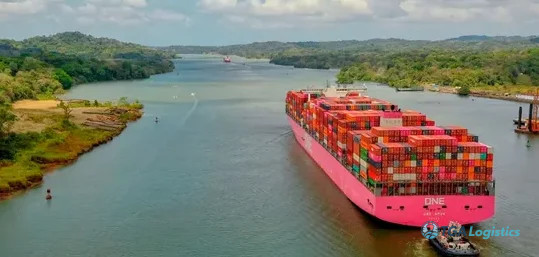
Operational Adjustments Begin
The Panama Canal, a critical artery for international maritime trade, will soon limit daily transits. Officials aim to mitigate the effects of severely low water levels. The canal relies heavily on freshwater from rainfall to operate its intricate lock system, which lifts and lowers ships across the continental divide. Managing the number of vessels passing through ensures continued, albeit reduced, operational capacity.
These restrictions are set to take effect in the coming months, specifically during the fall season. The Panama Canal Authority has communicated these upcoming changes to the shipping industry. This proactive step seeks to balance the canal’s operational needs with environmental realities.
The Panama Canal Authority will reduce daily shipping slots this fall due to severe drought conditions caused by El Niño. This critical adjustment, necessitated by low water levels, impacts a vital global trade route, potentially causing shipping delays and increased costs.
The Cause: El Niño and Drought
Concerns over drought conditions prompted the Panama Canal Authority’s decision. The El Niño weather phenomenon is largely responsible for intensifying these dry spells across the region. El Niño typically brings warmer ocean temperatures, altering global weather patterns and often leading to reduced rainfall in Central America.
Persistent lack of precipitation directly impacts the canal’s freshwater reservoirs. These reservoirs are essential for filling the locks that enable ships to traverse the waterway. Consequently, maintaining adequate water levels becomes a significant challenge during prolonged drought periods.
Implications for Global Shipping
Reducing daily shipping slots on the Panama Canal carries notable implications for global trade. The canal serves as a crucial shortcut for thousands of vessels transporting goods between continents each year. Any limitation on its capacity can lead to longer transit times or require ships to seek alternative, often more costly, routes.
Shipping companies and logistics providers will need to adjust their schedules and planning in response to these upcoming restrictions. The measure underscores the vulnerability of vital infrastructure to climate-related events. It also highlights the interconnectedness of environmental conditions and global economic activity.