


Sven Diedrich, Head of Digital Transformation and Business Solutions at Pinaxis, recently outlined the foundational elements crucial for successful automation. Speaking at IMTS in Chicago, Diedrich emphasized four critical pillars: people, processes, data, and systems.
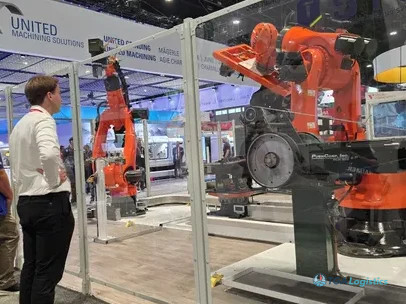
The Pillars of Automation Success
Diedrich’s presentation highlighted that these four elements do not operate in isolation. They form an interconnected framework where the strength of each pillar influences overall automation success. Neglecting any one area can undermine the entire strategy.
Sven Diedrich outlined four interconnected pillars crucial for successful automation: people, processes, data, and systems. He stressed investing in skilled teams, optimizing workflows, ensuring quality data, and selecting robust infrastructure. A holistic approach, focusing equally on these elements, is essential for building sustainable automation strategies and achieving sustained success.
People
At the core of any technological advancement are the individuals who design, implement, and manage it. Diedrich stressed investing in human capital, ensuring teams possess necessary skills for new automated environments. This includes training and fostering adaptability.
Processes
Efficient processes serve as the blueprint for effective automation. Organizations must analyze and optimize existing workflows before deploying new technologies. Streamlined processes ensure automation efforts yield maximum efficiency and deliver tangible business value.
Data
Data acts as the fuel for intelligent automation systems. High-quality, accessible data drives decision-making and enables automated systems to perform tasks accurately. Without robust data, even advanced automation tools struggle to deliver reliable outcomes.
Systems
Finally, underlying technological systems provide the infrastructure for automation. This pillar encompasses the software, hardware, and network architecture supporting automated operations. Selecting and integrating the right systems is paramount for scalability and long-term viability.
By focusing equally on these four interconnected pillars, businesses can build robust automation strategies. Diedrich’s insights underscore a holistic approach, moving beyond technology adoption for sustained success.