


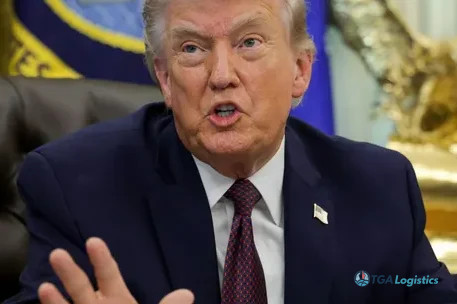
The U.S. Court of International Trade recently affirmed a president’s authority to revoke specific tariff exemptions. This significant ruling specifically concerns former President Donald Trump’s power to rescind the “de minimis” exemption. The decision clarifies presidential executive powers regarding trade policy.
Understanding the De Minimis Rule
The “de minimis” rule permits imports valued under $800 to enter the country without incurring tariffs. This provision historically streamlined customs processes for low-value shipments. It allowed goods below a certain monetary threshold to bypass formal entry procedures and duties.
The U.S. Court of International Trade affirmed a president's authority to revoke tariff exemptions, upholding former President Trump's rescission of the "de minimis" rule for imports under $800. This ruling clarifies broad executive powers in trade policy, reinforcing presidential discretion over import regulations.
Historical Context
Congress established the de minimis threshold to facilitate international trade and reduce administrative burdens. The rule generally applied to individual shipments, offering a fast track for numerous small packages entering the U.S. It became a key element in e-commerce logistics.
The Court’s Decision
The Court of International Trade concluded President Trump possessed the legal authority to eliminate this exemption. Its decision centered on the executive branch’s inherent powers regarding trade policy. The court found no legal impediment preventing a president from rescinding such a tariff waiver.
Scope of Presidential Power
This ruling reinforces the broad discretion presidents hold over certain aspects of trade. It confirms a president can unilaterally modify or revoke tariff exemptions like the de minimis provision. The court’s judgment emphasizes the executive’s role in managing import regulations.
Implications for Trade Policy
The court’s affirmation could influence future administrations’ approaches to trade. Presidents now have clear judicial backing to adjust de minimis thresholds or revoke the exemption entirely. This decision provides a precedent for executive action on similar trade matters.