


Transpacific ocean shipping rates are showing a slight reduction as the peak season for freight transportation concludes. This recent softening in costs primarily stems from a noticeable slowdown in demand at U.S. ports.
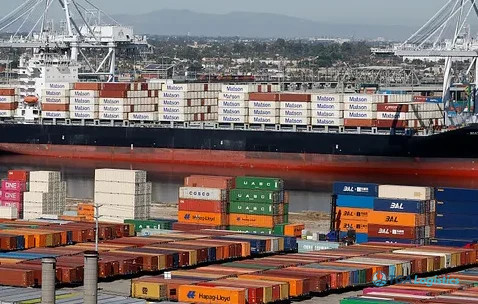
However, despite these current adjustments, overall shipping expenses remain significantly higher when compared to the previous year. This indicates a complex market landscape for global trade.
Current Market Dynamics
The transpacific shipping corridor, vital for global commerce, now observes a modest decline in freight rates. This shift marks a natural progression as the intense period of holiday inventory buildup and consumer demand begins to wane. Carriers are adjusting their pricing strategies in response to these changing market conditions.
Factors Influencing Rate Adjustments
Several key elements contribute to the current easing of ocean freight rates. The conclusion of the peak shipping season, which typically runs through the summer and early fall, removes some of the urgent demand that drives prices higher. Consequently, the capacity available on vessels becomes less constrained.
Transpacific ocean shipping rates are slightly decreasing due to the end of peak season and slower U.S. port demand. While this offers some relief, overall shipping expenses remain significantly higher than last year, reflecting a complex and elevated cost environment for global trade.
Demand at U.S. Ports
A significant factor in this adjustment is the slowing demand observed at U.S. ports. As retailers and consumers moderate their purchasing and inventory replenishment, the pressure on shipping capacity decreases. This reduction in inbound cargo volume directly influences pricing power, leading to the reported rate declines.
Long-Term Cost Perspective
While recent data points to a slight decrease in transpacific rates, the broader context reveals that shipping costs persist at elevated levels. Year-over-year comparisons highlight that current expenses for moving goods across the Pacific remain substantially above pre-pandemic or even last year’s figures. Shippers continue to navigate a cost environment that is higher than historical norms.