


Transpacific ocean spot rates have recently undergone substantial increases, marking a significant shift in global shipping costs. This upward trend impacts vital trade lanes connecting Asia with both the U.S. West and East Coasts. Industry observers are closely monitoring these rapid price movements.
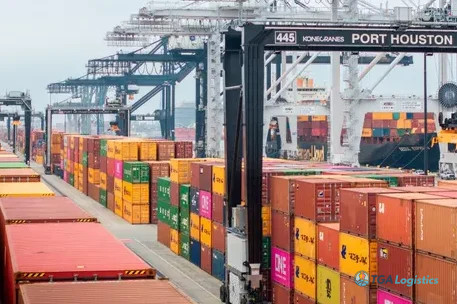
Tracking the Surge in Shipping Costs
The overall landscape of transpacific ocean freight has seen a dramatic escalation in pricing. Shippers and logistics providers are navigating a market characterized by notably higher expenses. These significant increases reflect dynamic changes across key trade routes.
Transpacific ocean spot rates have surged dramatically, with Asia-U.S. West Coast up 120% and East Coast up 85% recently. This significant increase, reported by Freightos, impacts global trade by raising transportation costs, affecting supply chains and consumer prices worldwide.
West Coast Route Dynamics
Rates for shipping from Asia to the U.S. West Coast have surged considerably. Since mid-May, spot rates on this critical lane have climbed by an impressive 120%. This rapid ascent highlights intense market pressures affecting West Coast bound cargo.
East Coast Lane Performance
Similar trends are evident on the U.S. East Coast route. Shipping costs from Asia to the U.S. East Coast have risen by 85%. This increase has occurred over the past six weeks, indicating a broad-based elevation in transpacific freight pricing.
Industry Data Insights
Freightos, a leading platform for global freight intelligence, reported these specific figures. Their data provides crucial insights into the current state of transpacific ocean rates. Industry stakeholders rely on such reports to understand market shifts and plan accordingly.
Implications for Global Trade
Such rapid and substantial increases in ocean freight rates carry significant implications. Businesses involved in international trade face higher transportation expenditures. These changes can ultimately affect supply chain strategies and consumer prices worldwide.