


The Trump administration has escalated its trade dispute with Canada, introducing new tariffs and import bans. These latest measures from the United States were implemented on the same day that Canada began imposing its own retaliatory tariffs. Canada’s tariffs are designed to match levies the Trump administration had previously installed last month, signaling a deepening economic conflict between the two nations.
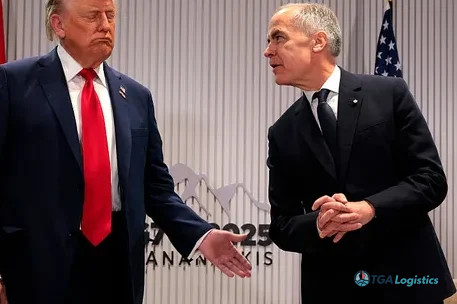
U.S. Implements Fresh Trade Barriers
The recent actions by the U.S. administration mark a significant increase in existing trade tensions. The United States applied new tariffs, essentially taxes on specific imported goods. Additionally, the administration imposed bans on certain imports originating from Canada. These moves underscore a firm stance in the ongoing bilateral trade relationship.
The Trump administration escalated its trade dispute with Canada by imposing new tariffs and import bans. Canada immediately retaliated with matching tariffs on the same day, mirroring previous U.S. levies. This reciprocal action signals a deepening economic conflict and increasing trade barriers between the two nations.
Understanding Tariffs and Import Bans
Tariffs directly increase the cost of imported products for consumers and businesses. This aims to make domestic goods more competitive. Import bans, conversely, completely halt the flow of designated goods into a country. Such measures seek to protect domestic industries and exert economic pressure, often provoking strong reactions from affected trading partners.
Canada’s Immediate Retaliation
Canada responded swiftly to the new U.S. measures. On the very same day, the Canadian government began collecting its own retaliatory tariffs. These Canadian levies directly mirror those the Trump administration had previously put in place. The earlier U.S. tariffs, which Canada is now matching, were initially installed just last month.
The Reciprocal Nature of Trade Disputes
Canada’s decision to match the U.S. levies highlights the reciprocal nature often seen in international trade disputes. Nations frequently respond in kind to protect their economic interests and signal their resolve. This tit-for-tat approach can quickly escalate tensions, creating a cycle of increasing trade barriers between partners.
The simultaneous implementation of these new trade barriers signals a deepening economic conflict. Both nations have now taken direct, impactful action against each other’s goods. This latest exchange underscores the ongoing complexities and challenges in the critical trade relationship between the United States and Canada.