


Union Pacific and its rail supplier, Rocky Mountain Steel, have successfully resolved a recent dispute. The two companies announced a new seven-year agreement, securing a long-term partnership for critical rail infrastructure materials. This resolution ensures continuity in the supply chain for Union Pacific, one of the nation’s largest railroad operators.
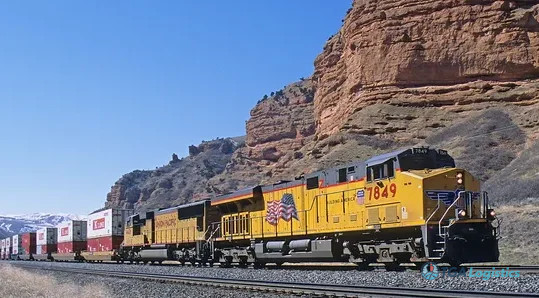
A Renewed Partnership
The new seven-year agreement solidifies the relationship between Union Pacific and Rocky Mountain Steel. For Union Pacific, this pact guarantees a stable source of long-rail, essential for maintaining and expanding its vast network. The extended term provides both entities with predictability and a framework for collaborative planning.
This long-term commitment allows Rocky Mountain Steel to confidently move forward with its strategic initiatives. The agreement underscores the importance of reliable domestic suppliers for major infrastructure projects. Both companies expressed optimism about the future of their renewed collaboration.
Boosting Domestic Steel Production
Rocky Mountain Steel is poised to significantly enhance its operational capacity. The company plans to launch a new long-rail mill in Pueblo, Colorado, later this year. This facility represents a key component of a substantial $1 billion investment strategy.
Pueblo Mill’s Role
The Pueblo mill will play a crucial role in bolstering domestic steel production. This investment directly supports American manufacturing and job creation within the industry. Operating domestically also helps mitigate potential disruptions in the global supply chain, offering greater control over material availability and quality.
Strategic Implications for Rail Infrastructure
The combined developments – Union Pacific’s secured supply and Rocky Mountain Steel’s expanded capacity – hold significant implications for U.S. rail infrastructure. A robust domestic supply of long-rail is vital for the ongoing maintenance and modernization of the country’s freight rail system. This stability benefits not only the railroad companies but also the numerous industries relying on efficient rail transport.
The investment in domestic production aligns with broader national efforts to strengthen industrial capabilities. It reinforces the commitment to self-sufficiency in critical sectors. This agreement marks a positive step for both companies and the wider transportation industry.