


Title: Amazon Consolidates Air and Ground Logistics
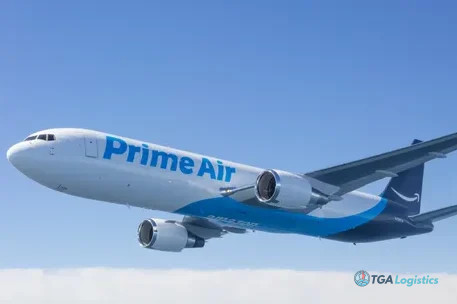
Amazon has initiated a significant organizational restructuring, integrating its air and ground operations teams. This strategic move aims to accelerate decision-making and refine planning across the company’s crucial middle-mile transportation network. An executive confirmed the rationale behind this operational shift, emphasizing the drive for enhanced efficiency.
Unified Operations Strategy
The company announced the full combination of its air and ground transport divisions. This restructuring brings previously separate teams under a unified management structure. The change directly impacts core transportation functions, streamlining oversight and coordination between these vital components of Amazon’s vast supply chain.
Driving Efficiency in Logistics
An Amazon executive highlighted the core reasons for this operational shift. The integration seeks to eliminate potential silos that could impede rapid responses to logistical challenges. By fostering a single command structure, Amazon expects to navigate complex shipping requirements with greater agility.
Amazon is integrating its air and ground logistics teams into a unified management structure to accelerate decision-making and refine planning. This strategic move aims to enhance efficiency within its crucial middle-mile transportation network, streamlining operations for faster and more reliable deliveries.
Accelerated Decision-Making
A primary goal involves achieving faster decision-making processes. Unifying air and ground teams allows for more direct communication channels. This integrated approach enables quicker responses to unforeseen operational issues or evolving demand patterns. Such agility is crucial in the fast-paced e-commerce environment.
Enhanced Planning Capabilities
Furthermore, the integration seeks to enable sharper, more cohesive planning. A unified team can develop comprehensive strategies that consider both air and ground assets simultaneously. This holistic view facilitates more effective resource allocation and optimized routing, ultimately improving overall network performance.
Focus on the Middle-Mile Network
The enhancements are specifically directed at Amazon’s middle-mile transportation network. This critical segment links fulfillment centers to sortation centers or delivery stations. Optimizing this network is vital for overall delivery efficiency and cost management. The organizational change directly targets improvements within this foundational logistical layer.
By unifying these key operational pillars, Amazon intends to boost the fluidity and responsiveness of its vast logistics infrastructure. The change reflects an ongoing effort to enhance supply chain agility and deliver products to customers more quickly and reliably.