


Title: Customs Prepares for Enhanced Postal Import Scrutiny
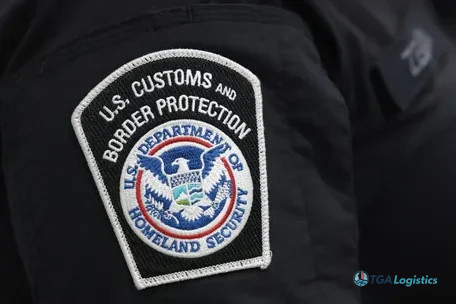
U.S. Customs and Border Protection (CBP) is moving to implement more rigorous data requirements for goods entering the country via postal services. This new regulation signals a significant shift in how the agency manages and oversees international mail imports. Officials project the measure will enhance compliance and transparency across the system.
Elevating Data Standards for Mail Shipments
The forthcoming rule targets items imported through the postal system, demanding more comprehensive and detailed information from senders. This initiative aims to provide CBP with a clearer picture of incoming goods before they reach U.S. borders. The agency emphasizes that these enhanced requirements are crucial for modernizing customs processes and bolstering national security.
Projected Financial Impact
CBP anticipates a substantial increase in annual revenue as a direct result of these updated rules. The agency estimates that the stricter data mandates could generate over $100 million in additional duties each year. This projection highlights the potential financial implications for importers and the U.S. Treasury.
U.S. Customs is implementing stricter data requirements for goods imported via postal services to enhance compliance, transparency, and national security. This new regulation is projected to generate over $100 million annually in duties by improving classification and valuation, though it may also deter some import activity, balancing fiscal gains with trade shifts.
Revenue Generation
The expected surge in duties stems from improved data quality, which allows for more accurate classification and valuation of imported goods. This enhanced clarity helps CBP identify and collect appropriate tariffs and taxes that might have been missed under previous, less stringent reporting protocols. The additional revenue supports broader customs enforcement efforts.
Potential Deterrence
While revenue generation is a key aspect, CBP also acknowledges a potential side effect. The enhanced requirements may deter some import activity, particularly for smaller shipments or those from entities less prepared for increased scrutiny. This dual impact presents a complex outcome for the overall import landscape, balancing fiscal gains with potential shifts in trade volume.
Goals of the Regulation
The primary objective behind these stringent data demands is to improve oversight and ensure greater compliance within the postal import sector. By requiring more detailed information upfront, CBP aims to better identify and address potential violations, contraband, and under-declared goods. This proactive approach seeks to secure the nation’s borders more effectively and ensure fair trade practices.
As CBP prepares for implementation, stakeholders across the postal import ecosystem are evaluating the forthcoming changes. The balance between increased revenue, enhanced security, and the potential for reduced import volumes will shape the future of goods entering the U.S. through mail.