


The Department of Justice (DOJ) has filed an appeal, creating fresh uncertainty within the ongoing tariff refund process. This significant action immediately raises questions about the future allocation of funds previously designated for these refunds. The development marks a critical juncture for entities awaiting resolution.
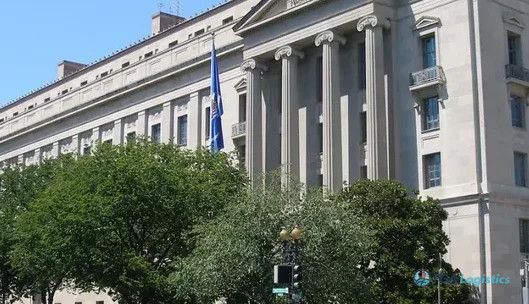
DOJ’s Strategic Move
The government’s decision to appeal injects a new layer of complexity into an already intricate legal landscape. This move directly challenges existing arrangements concerning the reimbursement of certain tariffs. Stakeholders across various industries now face renewed ambiguity regarding their potential refunds.
Government’s Perceived Intent
Michael Lowell, an attorney at Reed Smith, offered a clear perspective on the situation. He stated, “The endgame is clear: the government is trying to keep as much of the remaining money as possible.” This assessment suggests a strategic financial objective behind the DOJ’s appeal.
Lowell’s insight highlights a potential motivation for the government’s legal challenge. It implies a deliberate effort to retain funds rather than disburse them through the established refund mechanism. This interpretation positions the appeal as a fiscally driven maneuver.
Implications for Refund Funds
The appeal directly impacts the financial expectations of many businesses and individuals. Funds that were seemingly earmarked for refunds now encounter a significant legal hurdle. This situation could prolong the waiting period for claimants.
Uncertainty surrounding these funds could also influence future financial planning for affected parties. The ultimate disposition of the money remains in question as the appeal process unfolds. This development underscores the volatile nature of trade-related financial matters.
Navigating the Legal Landscape
An appeal typically involves a higher court reviewing the decision of a lower court. This process can be time-consuming and introduces new legal arguments. Parties involved must now prepare for extended litigation.
The outcome of this appeal will set a precedent for future tariff-related disputes. It will clarify the government’s stance on such refunds and shape the legal environment for similar claims. The unfolding legal battle holds considerable significance for trade law.