


Title: US and India Finalize Tariff Reduction Pact
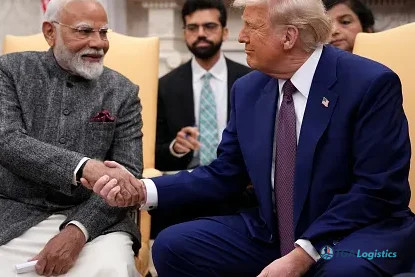
The United States and India have reached a significant understanding to reduce tariffs, marking a key development in their trade relationship. Former President Donald Trump initially announced this agreement. A White House spokesperson has since corroborated the details, outlining specific measures designed to ease trade barriers between the two nations.
Key Elements of the Agreement
The newly finalized agreement outlines several direct actions regarding trade levies. These provisions aim to streamline commerce and foster a more open economic exchange. Both countries anticipate that these changes will positively impact various sectors of their economies.
The United States and India have finalized a tariff reduction pact to ease trade barriers. The US will remove a Russia-linked oil tariff and reduce other reciprocal levies to 18%. This agreement aims to streamline commerce and foster a more open economic exchange between the nations, positively impacting both economies.
Eliminating Russia-Linked Tariffs
A central component of the deal involves the United States removing a specific tariff. This particular levy had been associated with oil purchases originating from Russia. Its elimination represents a notable adjustment within the broader framework of international trade policies.
Reciprocal Trade Levy Adjustments
In addition to the removal of the Russia-related tariff, the United States will also decrease certain reciprocal trade levies. These tariffs will see a reduction, bringing them down to an 18% rate. This adjustment reflects a mutual effort to create more favorable trading conditions.
Background and Confirmation
Former President Trump first revealed the existence of the agreement. His announcement brought initial attention to the ongoing discussions between Washington and New Delhi. Subsequent confirmation from a White House spokesperson provided official clarity on the precise terms and scope of the tariff reductions.
This pact signifies a targeted effort to address specific trade obstacles. Its implementation is expected to facilitate smoother economic interactions between the United States and India, impacting goods and resources subject to these revised tariff rates.