


UPS is retiring its entire MD-11 aircraft fleet. This decision follows a deadly crash involving one of the cargo planes. The move marks a significant shift in the company’s air cargo strategy.
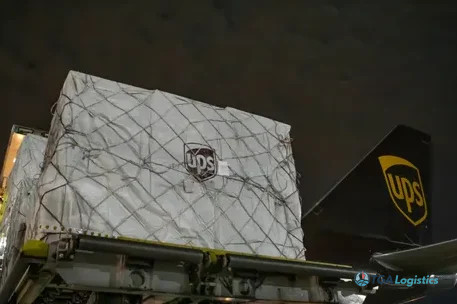
Fleet Retirement Details
The immediate retirement of the MD-11 fleet directly responds to the recent fatal incident. While details of the crash itself remain under investigation, the company acted swiftly. This decision underscores UPS’s commitment to operational safety across its global network.
Following a fatal crash, UPS is immediately retiring its entire MD-11 cargo aircraft fleet, marking a significant shift in strategy. To maintain capacity and prioritize safety, the company announced plans to acquire new Boeing 767 aircraft, ensuring continued efficiency and reliability for its global operations.
Impact on Operations
The MD-11 aircraft have long served as a backbone for UPS’s long-haul cargo operations. Their sudden removal creates an immediate void in the carrier’s capacity. Addressing this gap quickly became a top priority for the logistics giant.
Addressing Capacity Needs
To mitigate the reduction in cargo capacity, UPS announced plans for a significant fleet expansion. The company will acquire new aircraft to maintain its service levels. This strategic investment aims to ensure continued efficiency and reliability for customers worldwide.
Boeing 767 Acquisition
UPS CEO Carol Tomé confirmed the company plans to acquire new Boeing 767 aircraft. These planes will directly replace the lost MD-11 capacity. The Boeing 767s offer a proven track record in cargo operations and represent a modern solution for the carrier’s needs.
Leadership Statement
CEO Carol Tomé’s announcement provided clear direction on UPS’s path forward. She emphasized the company’s commitment to safety and operational continuity. This leadership message aims to reassure stakeholders regarding the company’s strategic adjustments.
The transition to a new fleet configuration highlights UPS’s adaptability in challenging circumstances. The company moves to secure its operational future while prioritizing safety following the tragic event.