


A recent report from the Clean Clothes Campaign reveals a significant lack of transparency among major apparel brands regarding worker compensation. The study assessed 110 prominent clothing companies. These included global giants like Adidas, Chanel, and Zara. Findings show only a small fraction publicly disclose garment worker wage levels within their supply chains.
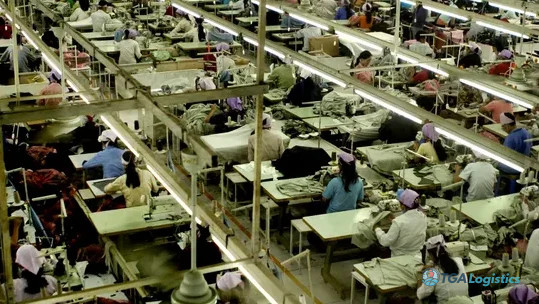
Limited Disclosure Among Major Brands
The Clean Clothes Campaign examined a wide array of fashion retailers and manufacturers. This extensive list encompassed some of the most recognizable names in the global apparel market. Researchers focused specifically on the public availability of detailed wage information from their garment factories.
Out of the 110 brands surveyed, a striking statistic emerged. Only four companies publicly share specific wage levels paid to their garment workers. This limited disclosure highlights a pervasive industry practice. Worker compensation often remains opaque to consumers and advocacy groups alike.
A Clean Clothes Campaign report reveals major apparel brands' significant lack of transparency regarding worker compensation. Out of 110 prominent companies assessed, only four publicly disclose specific garment worker wage levels, hindering fair labor verification and accountability in their supply chains.
The Scope of the Assessment
The report’s methodology involved scrutinizing brands across various segments of the fashion industry. From luxury houses to fast-fashion retailers, the campaign sought a comprehensive overview. The inclusion of brands like Adidas and Chanel underscores the broad reach of this investigation.
Despite their diverse market positions, these brands largely share a common approach to wage transparency. They maintain confidentiality regarding the remuneration of individuals producing their clothing. This practice makes independent verification of fair labor conditions challenging.
Implications of Non-Disclosure
The absence of public wage data carries significant implications for accountability within the apparel supply chain. Transparency serves as a fundamental tool for monitoring labor practices. Without it, verifying claims about ethical production becomes considerably more difficult for external observers.
Advocacy organizations and consumers increasingly demand greater visibility into product origins. They seek assurance that workers receive fair compensation for their labor. The report’s findings suggest a considerable gap between these expectations and current industry practices.
Ongoing Calls for Greater Transparency
Reports like that from the Clean Clothes Campaign consistently draw attention to the need for enhanced corporate responsibility. They underscore the importance of brands taking proactive steps toward full disclosure. This includes making wage information readily accessible and verifiable.
The findings reinforce ongoing discussions about ethical sourcing and sustainable business models. As public scrutiny intensifies, pressure on major apparel brands to adopt more transparent wage policies will likely continue. This movement aims to foster a more equitable global garment industry.