


US automakers assert that newly proposed safety and emissions regulations from the European Union contradict the terms of a pending tariff agreement between the EU and the United States. This dispute places the unratified trade deal in jeopardy. The new standards would significantly impact the import of large trucks, creating a substantial point of contention for American manufacturers.
Regulatory Conflict Emerges
The core of the disagreement lies in the European Union’s recent proposal for new safety and emissions standards. These regulations, still in their nascent stages, aim to govern vehicle imports into the EU market. However, American automotive companies view these prospective rules as inconsistent with prior understandings established in the ongoing tariff negotiations.
US automakers assert new EU safety and emissions regulations, especially for large trucks, contradict a pending US-EU tariff agreement. This dispute jeopardizes the unratified trade deal, as American manufacturers face significant compliance challenges, potentially derailing transatlantic trade relations.
Impact on Heavy Vehicle Imports
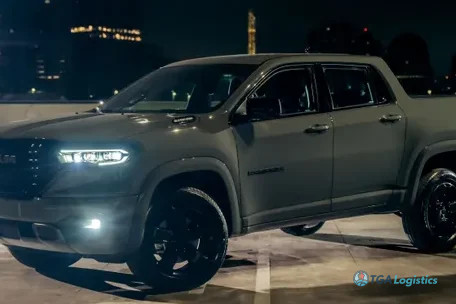
Specifically, the proposed EU standards target large trucks. This sector represents a key area of trade for US manufacturers. Adhering to these new, potentially divergent, regulations would present significant challenges and costs for companies exporting these vehicles to Europe.
Tariff Agreement Hangs in Balance
The unratified tariff deal between the European Union and the United States now faces considerable uncertainty. This agreement sought to streamline trade relations and reduce barriers. US automakers contend that introducing these new, stringent import requirements undermines the spirit and practical application of the broader trade discussions, potentially derailing the entire accord before its ratification.
The ongoing negotiations reflect a critical juncture for transatlantic trade. Resolving the perceived inconsistencies between the proposed EU regulations and the tariff agreement will be essential. Both sides must navigate these complex issues to ensure a stable and predictable trade environment for the automotive industry.