


Major fashion brands are embarking on a significant restructuring of their sourcing operations over the next two years. This strategic shift involves consolidating supply chains without sacrificing the geographic diversity they currently possess. Companies are instead prioritizing enhanced flexibility and more rigorous compliance, according to insights from a recent 2026 fashion benchmarking study.
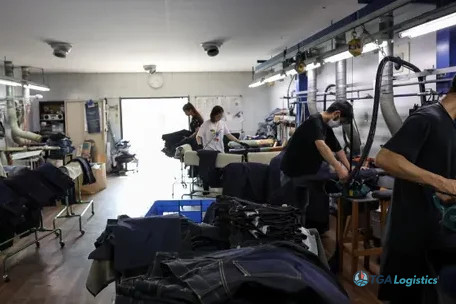
Strategic Supply Chain Consolidation
The fashion industry is moving towards a more streamlined approach to sourcing. Brands intend to consolidate their supplier networks, aiming for greater efficiency and control within their production processes. This move reflects a broader industry trend towards optimizing operational complexities.
Maintaining Geographic Diversity
Despite the push for consolidation, brands emphasize maintaining existing geographic diversity. This indicates a desire to balance efficiency with resilience. Spreading production across various regions can mitigate risks associated with geopolitical shifts or localized disruptions, ensuring supply chain stability.
Prioritizing Flexibility
A key driver behind these evolving sourcing strategies is the acute need for greater flexibility. Fashion markets are dynamic, often experiencing rapid shifts in consumer demand and trends. Agile supply chains allow brands to respond quickly to these changes, adapting production volumes and product mixes with greater ease.
Major fashion brands are restructuring sourcing over the next two years, consolidating supply chains while maintaining geographic diversity. This strategic shift prioritizes enhanced flexibility to adapt to market demands and strengthens compliance rigor for ethical production, according to a recent benchmarking study.
Adapting to Market Demands
Increased flexibility enables brands to navigate unpredictable market conditions more effectively. The ability to pivot quickly helps minimize excess inventory and capitalize on emerging opportunities. This adaptability is crucial for remaining competitive in a fast-paced retail environment.
Strengthening Compliance Rigor
Another central focus for fashion brands is bolstering compliance rigor. This involves implementing stricter standards and oversight across their supply chains. Such measures address growing consumer and regulatory demands for ethical production, environmental responsibility, and fair labor practices.
Ensuring Ethical Production
Robust compliance frameworks help brands uphold their commitments to responsible sourcing. This protects brand reputation and fosters consumer trust. Companies are therefore investing in systems and processes that ensure adherence to global ethical and sustainability benchmarks.