


Giant Food and The Giant Company, both key subsidiaries of Ahold Delhaize, announced a significant change to their e-commerce strategy. The grocery chains plan to cease operations at six centralized e-commerce fulfillment centers. This strategic decision, set for early 2026, marks a complete transition towards an in-store fulfillment model. All online orders will now originate from physical stores.
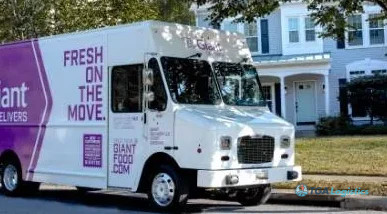
Operational Redirection
The move represents a fundamental shift in how the companies process and deliver online grocery purchases. Currently, dedicated fulfillment centers handle a portion of these orders. Under the new model, individual stores will manage the picking and packing of all digital shopping baskets. This integration aims to streamline operations and enhance efficiency.
Giant Food and The Giant Company are ceasing operations at six centralized e-commerce fulfillment centers by early 2026. They will transition to an entirely in-store fulfillment model, with all online orders picked and packed from physical stores. This strategic shift aims to streamline operations, enhance efficiency, and optimize the customer experience.
From Central Hubs to Store Floors
The six facilities slated for closure currently serve as central points for online order aggregation and distribution. By early 2026, these operations will fully decentralize. Each physical store will then become a micro-fulfillment hub, utilizing existing store inventory and staff for online order preparation. This approach leverages the established store footprint.
Strategic Rationale
This pivot reflects a strategic reevaluation of the most effective way to serve online customers. In-store fulfillment often allows for faster delivery times and greater flexibility in inventory management. It can also reduce the capital expenditure associated with maintaining large, specialized e-commerce facilities. The companies aim to optimize their supply chain and customer experience.
Industry Context
The decision by Giant Food and The Giant Company highlights an evolving landscape in grocery retail. Many retailers continually assess their e-commerce strategies to balance speed, cost, and customer satisfaction. This shift demonstrates a commitment to adapting operational models in response to market demands and technological advancements. It underscores the dynamic nature of modern grocery fulfillment.