


A recent assessment from the German Economic Institute highlights that former President Donald Trump’s key economic policies did not fully achieve their stated goals. The institute’s analysis indicates these measures, including sweeping tariffs and efforts to boost foreign direct investment, ultimately fell short of their objectives.
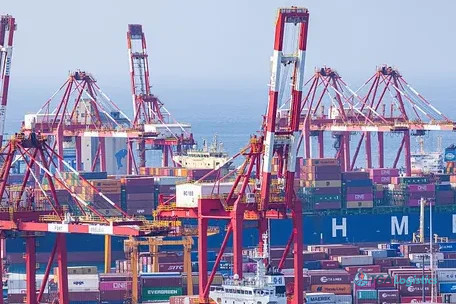
Policy Intentions and Realities
President Trump’s administration pursued a strategy involving significant tariffs on imported goods. It also actively sought to increase foreign direct investment within the United States. These policies aimed to reshape global trade dynamics and strengthen the domestic economy. However, the German Economic Institute concluded these specific initiatives did not meet their primary aims.
The German Economic Institute found that Trump's economic policies, including tariffs, largely missed their goals, widening the trade deficit and slowing hiring. However, the assessment also credited them with sparking overall economic growth, painting a complex picture of mixed results.
Trade Deficit and Employment Trends
The assessment directly linked these policy actions to a notable widening of the U.S. trade deficit. This outcome contrasted with a stated goal of reducing trade imbalances. Furthermore, the period saw a deceleration in hiring across the country. These trends presented challenges for the labor market.
Noted Economic Expansion
Conversely, the institute’s report acknowledged a positive impact on economic expansion. It credited the policies with sparking overall economic growth. This aspect offers a different perspective on the broad economic performance during Trump’s presidency. It suggests a complex interplay of various economic factors.
Overall, the German Economic Institute’s findings paint a complex picture of the Trump administration’s economic legacy. The report emphasizes a mix of both positive economic growth and challenges in areas like trade and employment. It underscores the nuanced effects of comprehensive economic strategies.