


Experts observe a significant shift in logistics patterns. Shippers are increasingly directing inventory towards inland markets, moving away from traditional port locations. This trend primarily stems from current market uncertainties. However, analysts caution that this heightened activity does not necessarily signal a fundamental, long-term shift in warehouse demand towards these inland regions.
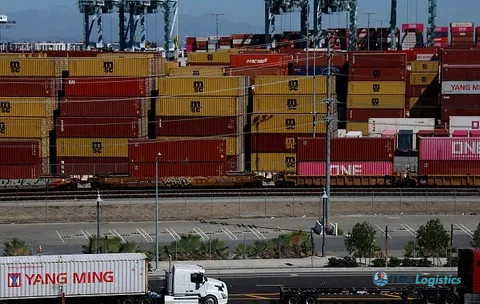
Inland Inventory Movement Gains Traction
The movement of goods deeper into the country marks a notable change. Companies now prioritize distributing inventory across interior hubs. This strategy contrasts with previous tendencies to store goods closer to major shipping ports. This redistribution aims to enhance supply chain resilience.
Market uncertainties are prompting shippers to move inventory inland, away from traditional ports, to boost supply chain resilience. However, experts warn this increased inland inventory doesn't signal a permanent rise in warehouse demand there, suggesting it's a temporary rebalancing effort rather than a long-term shift.
Market Uncertainty as a Primary Catalyst
Current market conditions play a pivotal role in these logistical adjustments. Economic unpredictability and ongoing supply chain disruptions influence decision-makers. Shippers are strategically repositioning inventory to mitigate potential risks. This proactive approach helps buffer against unforeseen market volatility.
Distinguishing Inventory Movement from Demand
While inventory flows to inland areas have increased, experts emphasize a critical distinction. Elevated inventory levels in these regions do not automatically equate to a permanent surge in demand for warehouse space. Instead, this could reflect a temporary rebalancing effort. Businesses might be holding more stock closer to end consumers. They do this without committing to long-term facility expansions in those specific locations.
Expert Perspectives on Future Trends
Logistics professionals remain cautious about interpreting the current data. They highlight that the recent increase in inland inventory movement largely responds to immediate market pressures. A definitive, enduring shift in warehouse demand requires further observation. Future economic stability and evolving consumer behaviors will ultimately shape long-term logistical infrastructure needs.