


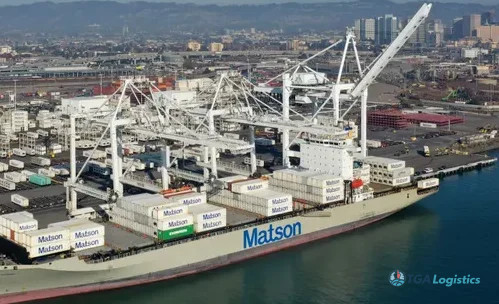
Matson, a U.S.-based ocean carrier, has observed a notable shift in global freight patterns. The company reports a conversion of cargo from air to ocean transport, a trend that has proven beneficial for its operations. CEO Matthew Cox confirmed these developments, highlighting their impact on the company’s performance.
Market Forces Driving Conversions
This operational shift stems from specific market conditions. Businesses are increasingly opting for ocean freight due to economic pressures and logistical constraints affecting air transport. The move reflects a strategic adjustment by shippers seeking cost-effective solutions for their supply chains.
Rising Air Freight Expenses
Elevated freight costs in select markets stand as a primary catalyst. Air cargo, typically faster, often comes with a premium. When these costs surge, the economic viability of air transport diminishes, prompting a reevaluation of shipping methods.
Constraints on Air Cargo Capacity
Simultaneously, reduced air cargo capacity in certain regions further drives this conversion. Limited space on aircraft means higher competition and fewer options for urgent shipments. This scarcity pushes cargo onto ocean vessels, which offer greater volume capacity.
Geopolitical Backdrop
These market dynamics unfold against a complex geopolitical landscape. The ongoing conflict involving Iran serves as a broader context for the observed shifts in global trade. Such regional tensions can influence shipping routes, fuel prices, and overall supply chain stability.
Matson’s Strategic Advantage
Matson has successfully capitalized on these evolving conditions. By converting air freight to ocean transport, the company secures additional business. This strategic advantage allows Matson to leverage its ocean carrier services effectively amidst a volatile global market.