


Title: Kroger Adjusts Robotics Strategy Amid E-commerce Evolution
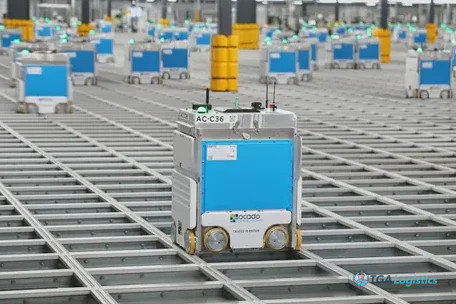
Kroger, a major retailer, is reportedly closing three of its automated fulfillment centers. This strategic decision comes as the company acknowledges its significant investment in robotics proved excessive. The move reflects evolving dynamics within the grocery e-commerce landscape, a shift observed since Kroger initiated its partnership with robotics specialist Ocado.
Reassessing Automation Investments
Kroger’s initial strategy involved a substantial commitment to advanced automation. The company aimed to streamline its online grocery operations through these high-tech facilities. This recent action indicates a strategic pivot, as the retailer now openly states its prior investment in robotics proved over-ambitious.
Kroger is closing three automated fulfillment centers, acknowledging its initial robotics investment proved excessive. This strategic pivot reflects evolving grocery e-commerce dynamics since its Ocado partnership, prompting the retailer to reassess its automation strategy. The move aims to better align its fulfillment operations with current market demands and consumer behaviors.
The Evolving Grocery E-commerce Landscape
The closures underscore broader changes in how consumers shop for groceries online and how retailers manage fulfillment. The sector has seen dynamic developments since the initial partnership with Ocado. When Kroger first teamed with the robotics specialist, the vision centered on a vast network of highly automated warehouses. This model sought to revolutionize efficiency and delivery speed.
However, the practicalities and economic realities of grocery e-commerce have shifted. This evolution has prompted Kroger to re-evaluate its operational footprint. The company is adapting its approach to better align with current market demands and consumer behaviors.
Implications for Future Strategy
These closures suggest a more measured approach to automation moving forward. Kroger will likely refine its e-commerce fulfillment strategy based on present market conditions rather than solely on initial ambitious projections. The experience highlights the continuous need for flexibility in a rapidly changing retail environment.